Making a balcony private doesn’t have to be complicated—or boring. We can mix curtains, plants, screens, and fabric to block out prying eyes without sacrificing sunlight or fresh air.
These options help us turn a balcony into a cozy, private corner to unwind or get some work done without feeling on display.
There are so many ways to add privacy, no matter your budget or style. Hanging outdoor curtains or building wooden trellises can make a big difference. Adding greenery walls? That’s both stylish and practical.
Let’s check out some ideas that can help you create a private outdoor spot that really fits your vibe.
Planning Your Private Outdoor Retreat
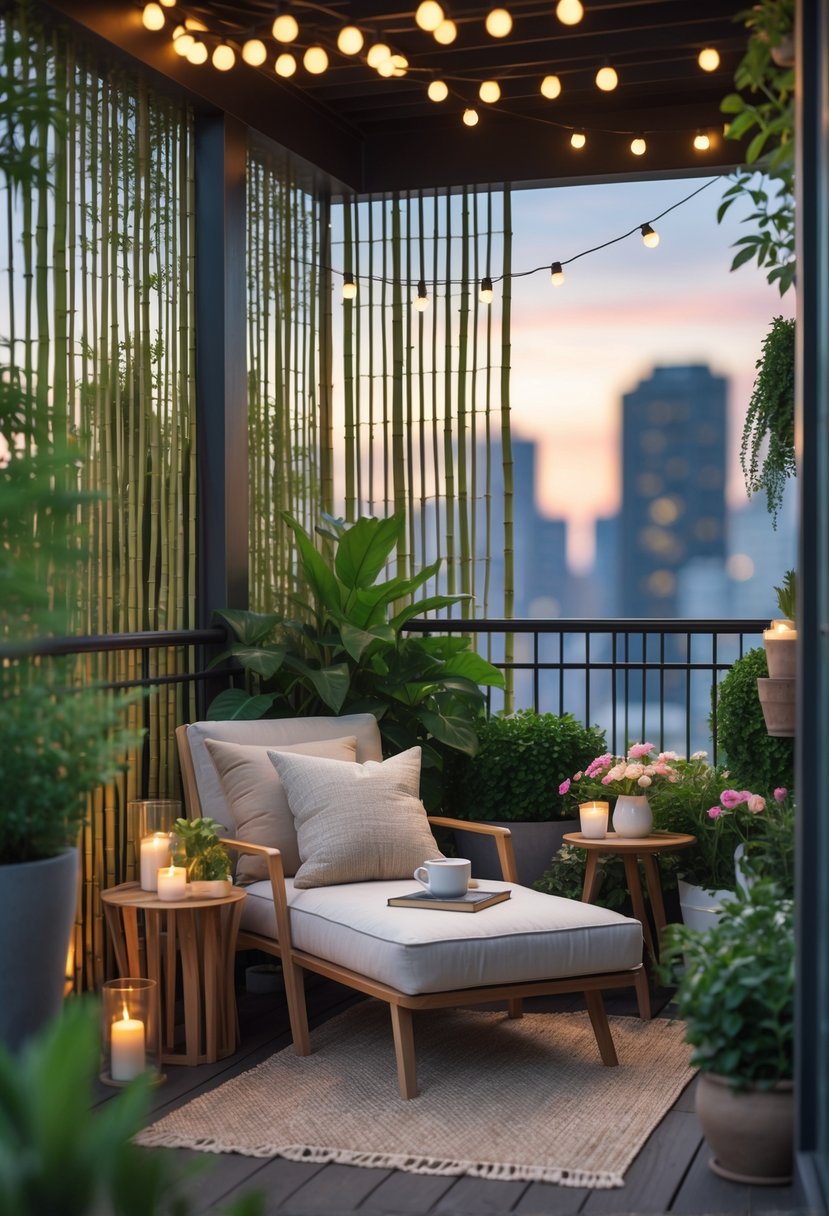
We start by getting a feel for the space and figuring out how much privacy we actually want. Picking a style that matches our taste—and the rest of the home—makes a big difference.
A little planning goes a long way to make the balcony comfy and a real escape from daily life.
Assessing Balcony Size and Layout
First, we take a look at the balcony’s size and shape. Is it narrow? Wide? Maybe a bit awkward? That decides what privacy options work best—like tall plants for tight spots or screens for bigger spaces.
We check what’s already there, like railings, walls, or furniture. Knowing this helps us plan around it and keep things from feeling crowded.
Measuring the space helps us pick solutions that fit without blocking the light or air. Small balconies do well with hanging plants or slim trellises. Larger ones can handle freestanding dividers or bigger screens.
Defining Your Privacy Needs
Next, we figure out how much privacy we really want. Do we want to block everything, or just keep side glances away? That shapes what we’ll use.
We think about where the privacy issues come from—neighbors above, next door, or people on the street? That changes how high or where we put screens or plants.
How we use the balcony matters, too. Is it a spot for quiet reading, hanging out with friends, or maybe dining? That helps decide if we want flexible curtains or something more permanent.
Choosing a Cohesive Outdoor Style
We pick a style that feels right and fits with the rest of our place. Maybe modern and simple, rustic and homey, or full of lush greenery.
Choosing colors, materials, and shapes that match our outdoor decor keeps things looking intentional. Bamboo and rattan work for a tropical or boho feel, while metal or glass looks sleek and modern.
Mixing privacy elements—like plants and decorative screens—adds texture and keeps things interesting without making it feel cluttered.


Using Privacy Screens for Seclusion
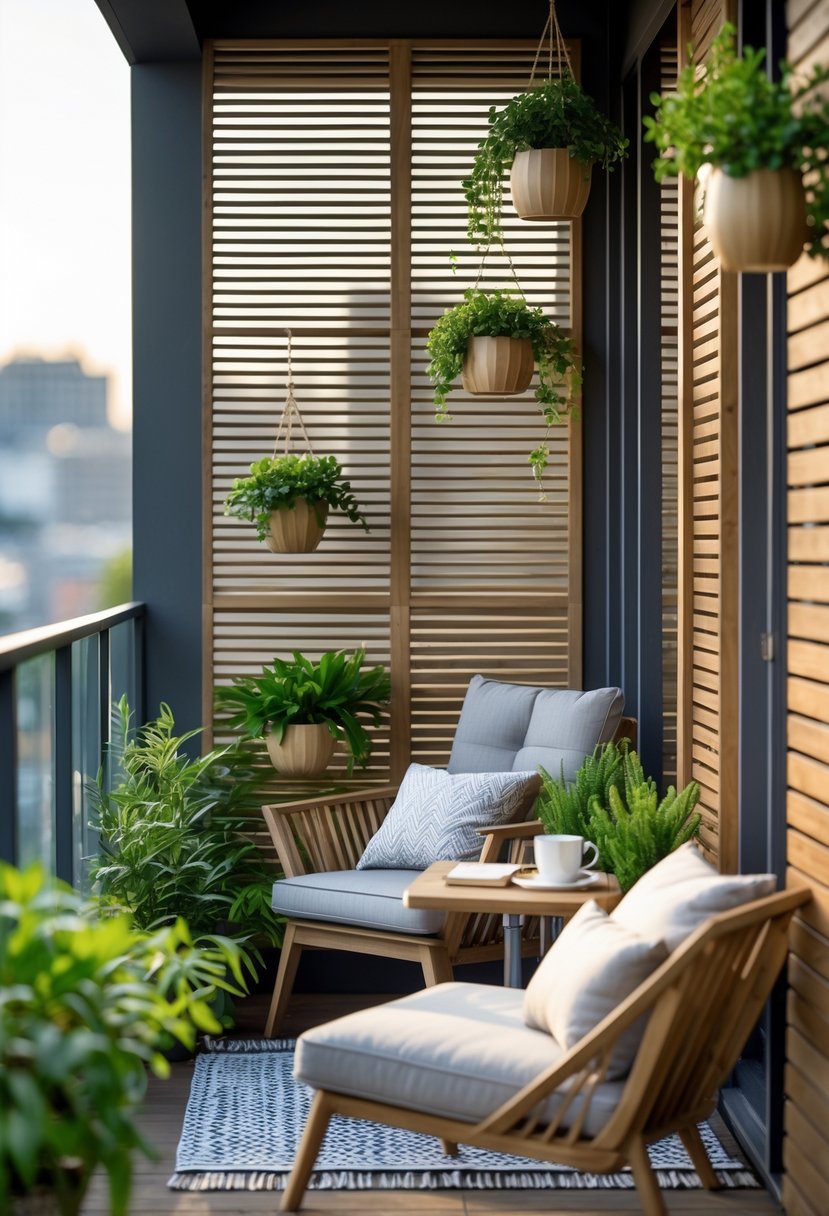
Picking the right privacy screens is one of the easiest ways to carve out a private balcony space. Screens come in all kinds of styles and materials, so we can match them to our budget and our taste.
We get to customize them to fit just right—no need to settle for something that doesn’t work.
Types of Privacy Screens
Privacy screens really run the gamut. Bamboo, wood, metal, mesh—each brings its own vibe and function.
Bamboo screens feel natural and hold up well outside. Wooden slats give off rustic charm and let in a bit of light and air while still blocking views.
Mesh screens are great for hot climates since they let air flow through but keep things private. Metal screens, especially with laser-cut patterns, look cool and add an artsy touch.
What we pick depends on how much privacy we want and how much light or breeze we’re hoping to keep.
Decorative Screens and Panels
Decorative screens do double duty—privacy and style. Metal, wood, or composite panels often have cool designs. Laser-cut metal panels, for example, create elegant patterns that block views but don’t feel heavy.
Wooden panels can go vertical or horizontal, depending on whether we want a modern or rustic look. These screens add privacy and make the balcony more visually interesting.
They act as both a barrier and a bit of art, letting us stay private without losing style points.
DIY Privacy Solutions
If we’re feeling crafty, DIY privacy fixes can work wonders. Hanging outdoor curtains with weather-resistant fabric gives us flexibility and a soft look.
We can build screens from recycled pallets or weave bamboo into simple frames for a budget-friendly, custom barrier. Hanging plants or shelves with potted greenery also make natural screens.
DIY lets us control size, style, and cost—and adds a personal touch that makes the balcony feel like ours.


Incorporating Outdoor Curtains and Drapes
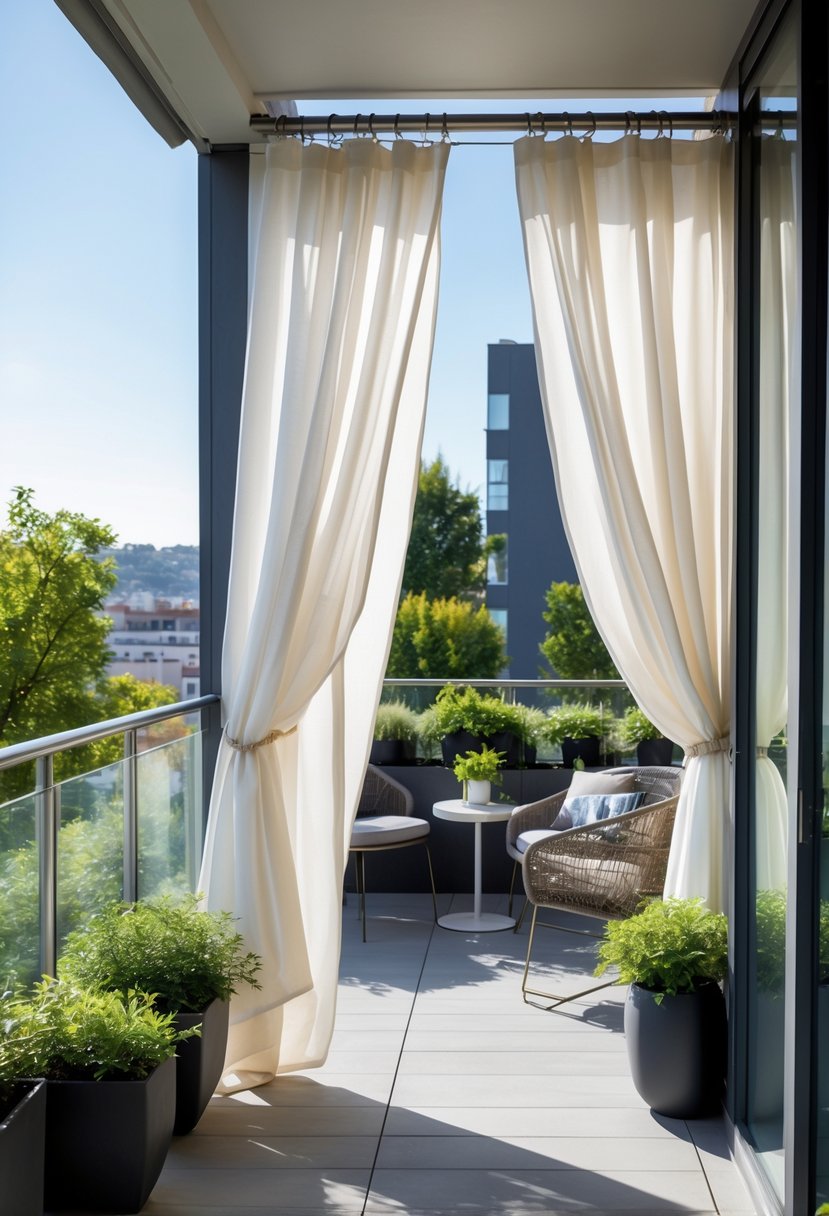
Outdoor curtains or drapes are a clever way to boost both privacy and style. The trick is picking weatherproof fabrics and installing them so they last.
Mixing curtains with other privacy features creates a more secluded, comfy space that’s easy to adjust.
Choosing Weather-Resistant Fabrics
We look for fabrics that can handle sun, rain, and wind. Materials like Sunbrella and other performance fabrics won’t fade or mildew easily.
Canvas and duck cloth breathe well and block sunlight, while vinyl or waterproof fabrics work better if it rains a lot—even if they don’t let much air through.
Fabrics with UV protection help prevent sun damage and keep colors bright. Tough weaves and coatings make curtains last longer, so we don’t have to replace them every season.
Installation Tips for Curtains
Getting the installation right keeps curtains secure and easy to use. Ceiling-mounted track systems look sleek, but wall-mounted rods are simpler.
If the balcony is open, we can use freestanding posts to hang curtains wherever we want, without drilling into anything.
Weighted hems, grommets, or tie-backs stop curtains from flapping in the wind. These little touches help keep things in place and make adjustments a breeze.
Layering Curtains With Other Privacy Elements
Curtains work even better when we pair them with other privacy tricks. Adding tall plants or trellises behind or next to curtains gives natural screening.
Mixing curtains with bamboo shades or decorative panels lets us control privacy and add some style.
Layering different solutions means we can fine-tune light and privacy, making the balcony feel both cozy and protected.


Creating Natural Barriers With Plants
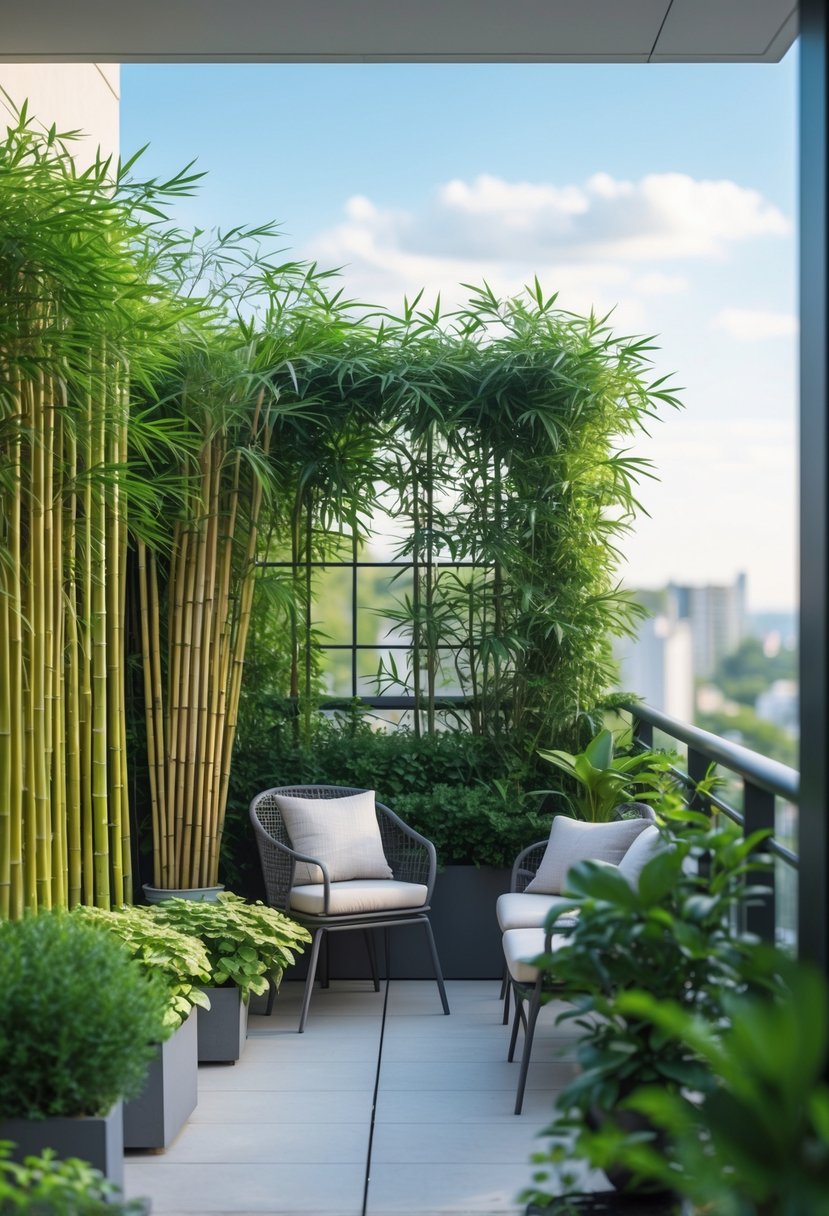
Plants are an awesome way to add privacy without making the space feel boxed in. The right plants and arrangements block views and bring life to the balcony.
Tall plants, climbing vines, and vertical gardens all work, but we stick to low-maintenance options that fit our climate and how much care we want to give.
Tall Plants for Privacy
Tall plants act like living screens. Ornamental grasses, bamboo, or big potted shrubs can grow several feet high, blocking neighbors’ views but still letting in light and air.
We look for plants with friendly root systems. Clumping bamboo or tall palms are great for balconies since they don’t spread like crazy. Lining up pots along the railing makes a lush green wall without any heavy construction.
Climbing Plants and Vertical Gardens
Climbing plants save floor space and cover railings or walls. Ivy, jasmine, and clematis cling to trellises or wires and grow dense, leafy curtains.
Vertical gardens mix planters and trellises, letting us grow lots of plants upward. This turns a plain wall into a living privacy screen—perfect for small balconies where floor space is tight.
Selecting Low-Maintenance Greenery
Low-maintenance plants make life easier. We go for species that match our sunlight and handle wind or temperature swings.
Evergreen shrubs or hardy grasses keep privacy year-round. Some climbers, like ivy and jasmine, need little water once they’re settled.
Using self-watering pots or drip systems cuts down on chores. Picking tough, pest-resistant plants means we get a private, green space without a ton of work.


Enhancing Privacy With Retractable Awnings and Shade
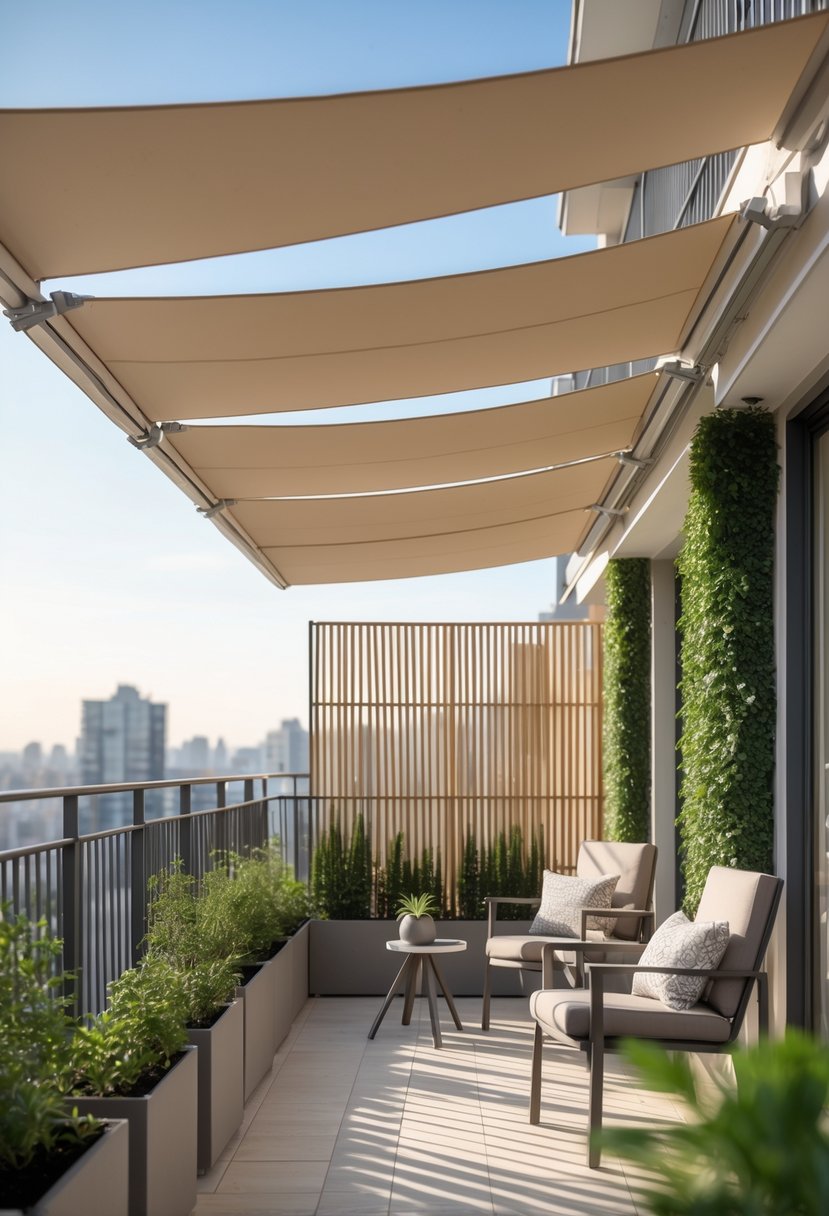
Retractable awnings are a surprisingly flexible way to add privacy and shade to a balcony. They let us control sunlight and visibility as needed.
Adding shade structures can also boost comfort and make the outdoor space feel more secluded.
Benefits of Retractable Awnings
Retractable awnings give us control over shade and privacy. We can pull them out for coverage or tuck them away for more sun and air.
Most are made from tough, weather-resistant fabric and protect against sun or light rain. Some even come with remotes or automation, so we can adjust them without getting up.
They don’t require permanent installation, which is ideal for renters or anyone who doesn’t want to drill holes. Plus, they come in lots of colors and designs to match our style.
Integrating Shade Structures
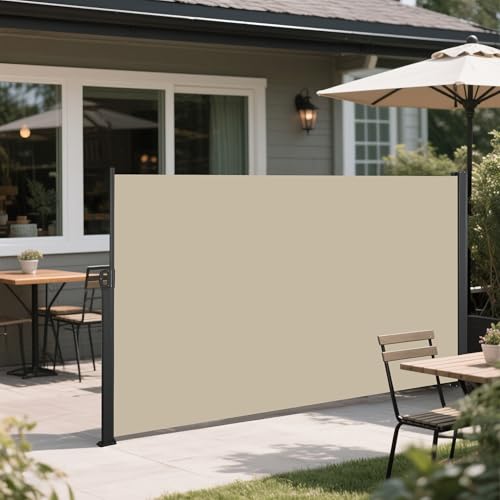
Combining retractable awnings with other shade options can really up the privacy factor. Side panels or drop-down screens can block side views from neighbors.
We can hang sheer or heavier fabric panels on rods alongside the awning for layered privacy that still lets air move.
Planting tall containers or climbing vines near the awning supports creates a natural wall. The mix of greenery and fabric makes the balcony feel private but not boxed in.


Personalizing and Accessorizing for Comfort and Style
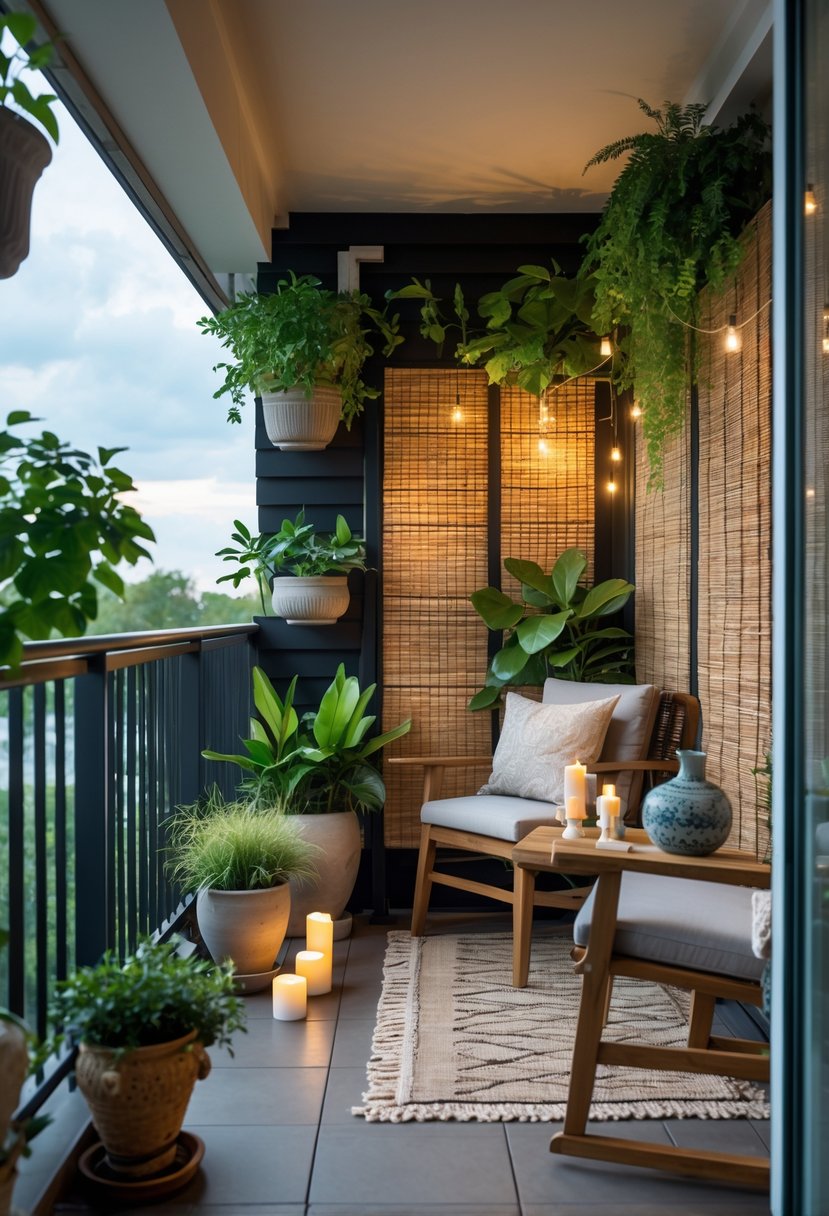
Adding personal touches makes a private balcony feel like a real retreat. We want privacy solutions that look good and feel inviting.
The right choices turn an outdoor space into something both functional and cozy.
Blending Function With Decor
We can combine privacy features with decor for a great look. Lattice screens or bamboo fencing block views but also add texture and style.
Vertical gardens act as green walls, boosting privacy and bringing in nature. Outdoor curtains and wood pallet screens let us control how open things feel, and picking colors or patterns we love ties everything together.
When every piece adds coverage and charm, the balcony feels like a true retreat.
Maximizing Comfort and Ambiance
To make things cozy, we toss in comfy cushions, throw blankets, and weather-resistant rugs. These soften hard surfaces and set up inviting seating areas.
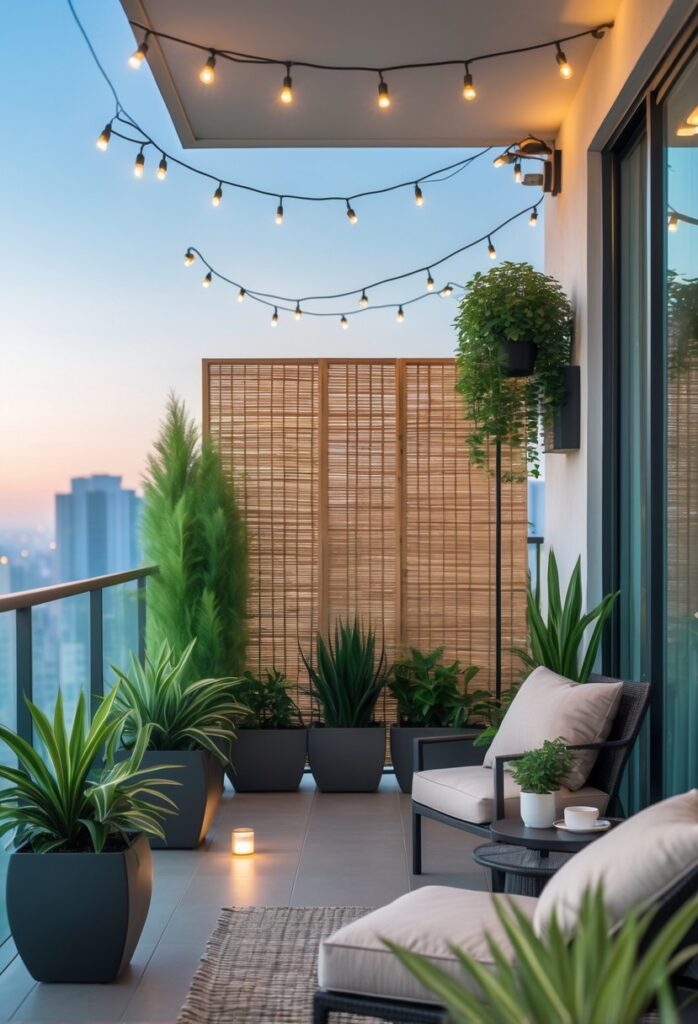
Lighting matters a lot for mood. String lights, lanterns, or solar lamps create a relaxing vibe after dark.
Small touches—like wind chimes or outdoor art—bring personality without sacrificing privacy. With the right accessories, we can enjoy our balcony any time, day or night.


Frequently Asked Questions
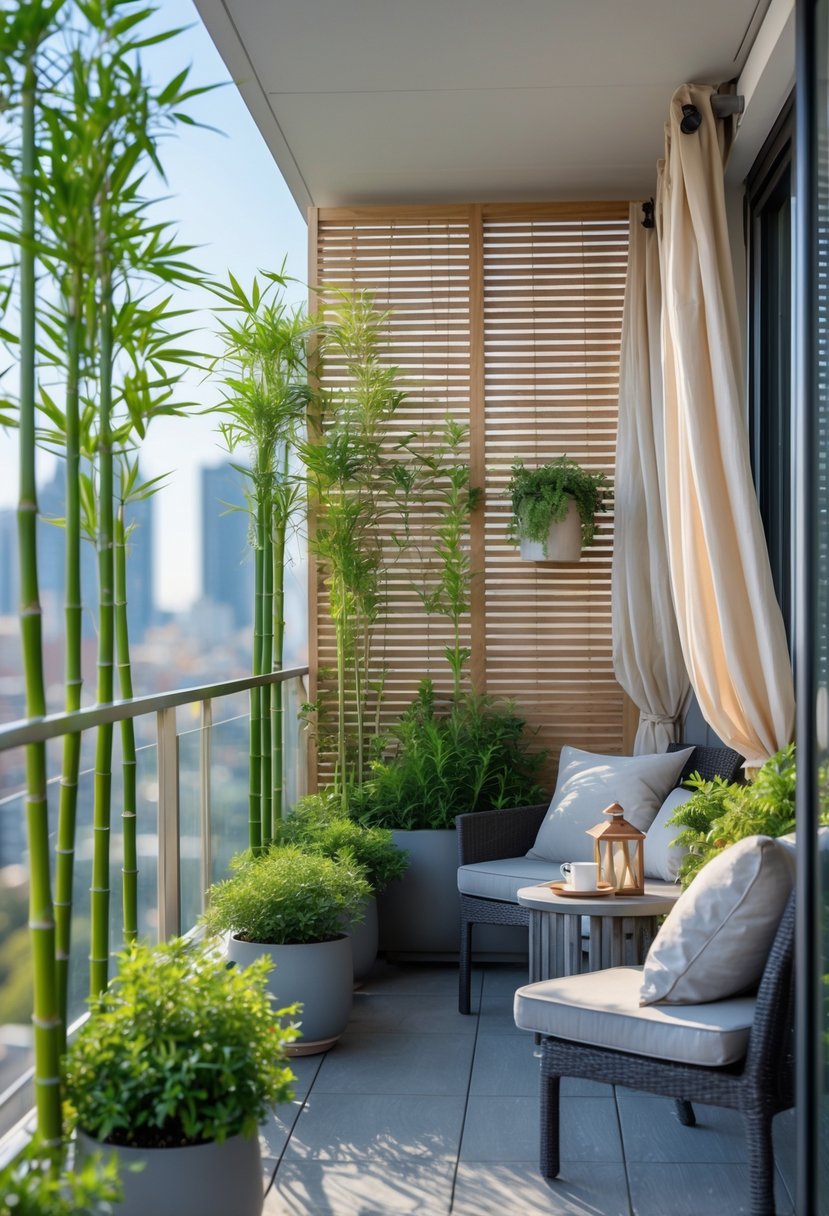
We want our balcony to feel private and comfortable, but still look great. Picking the right mix of plants, screens, curtains, and decor helps us build a cozy, effective space.
Lighting and the size of the balcony matter, too—they help keep the balance between privacy and style.
What are some effective plants to use for added balcony privacy?
Try growing climbing plants like ivy, jasmine, or clematis on trellises or vertical screens. These plants climb quickly and can give you a real sense of seclusion.
You might also want to place potted trees—think dwarf evergreens or even olive trees—around the edges to block views and add a bit of greenery.
Hanging plants with trailing leaves, such as ferns or ivy, can create gentle layers that obscure sightlines and soften the whole vibe. Honestly, sticking with low-maintenance plants just makes life easier if you’re not into constant upkeep.
What types of privacy screens are suitable for a balcony setting?
Wooden lattice panels, bamboo fencing, or decorative room dividers bring both style and sturdiness to your space. If you need something more flexible, fabric or metal screens are easy to move around.
Some screens come with built-in planters, so you get privacy and extra plants at the same time. Faux ivy panels are another option—they look pretty real and don’t need any care, which is a nice bonus.
How can outdoor curtains be incorporated for privacy on a balcony?
Hang weather-resistant curtains from rods or wires above your railing. On sunny days, you can just pull them open, and when you want privacy, close them up.
Mixing sheer and solid fabrics gives you more control over light and privacy, plus it adds a splash of color. Curtains can also cut down on wind, which makes the balcony a bit cozier.
Are there any creative DIY balcony privacy ideas?
Try building walls from upcycled pallets or painting old wooden screens for a personal, budget-friendly touch. You can add climbing plants or decorations to make these DIY pieces feel more like you.
Macramé hangers for plants and layered outdoor rugs help define your space in a unique way. If you’re artistic, custom painted dividers can show off your style while keeping things private.
How do I choose the right size and style of balcony privacy divider?
Pick a divider that fits your balcony without making it feel cramped. For small spaces or if you’re renting, lightweight and movable options make a lot of sense.
Match the divider’s style to your balcony’s look—maybe rustic wood or sleek metal, depending on your taste. Just make sure it blocks the right angles for privacy but still lets in enough light.
What lighting considerations should I keep in mind when creating privacy on my balcony?
Soft lighting, like string lights or lanterns, adds a nice warmth to your balcony. It doesn’t draw too much attention, which is probably what you want for privacy.
Try to skip those bright overhead lights. They just make the space feel way too exposed.
Put some lights near your privacy screens or tuck them into your plants. This highlights your favorite features and helps set a cozy mood.
Always go for waterproof and outdoor-safe lighting. You’ll want your setup to last, especially if the weather gets wild.