
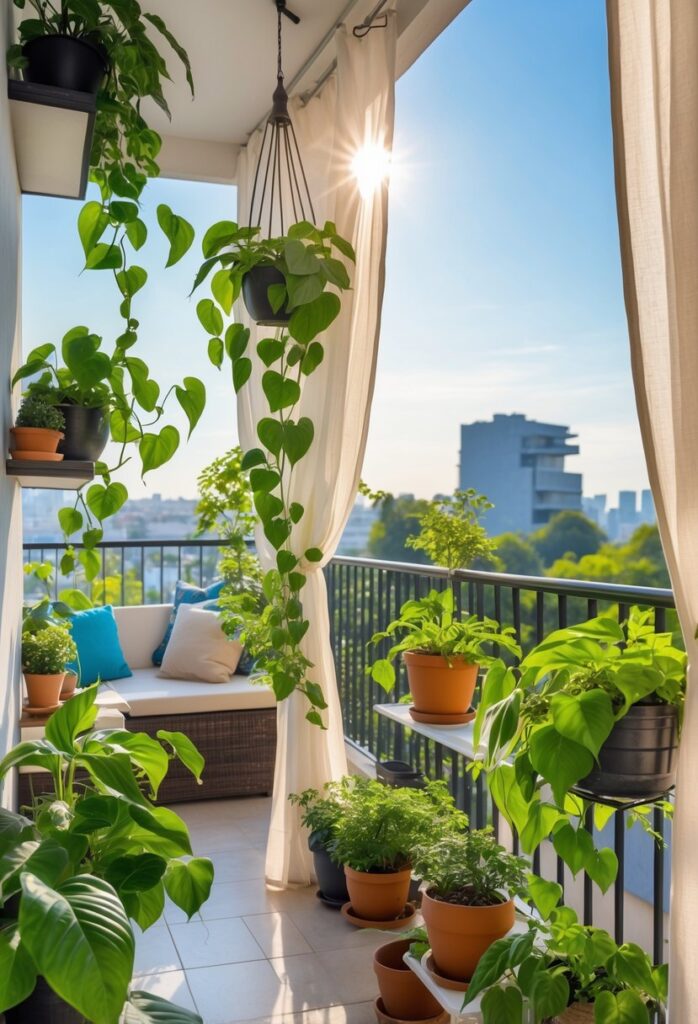
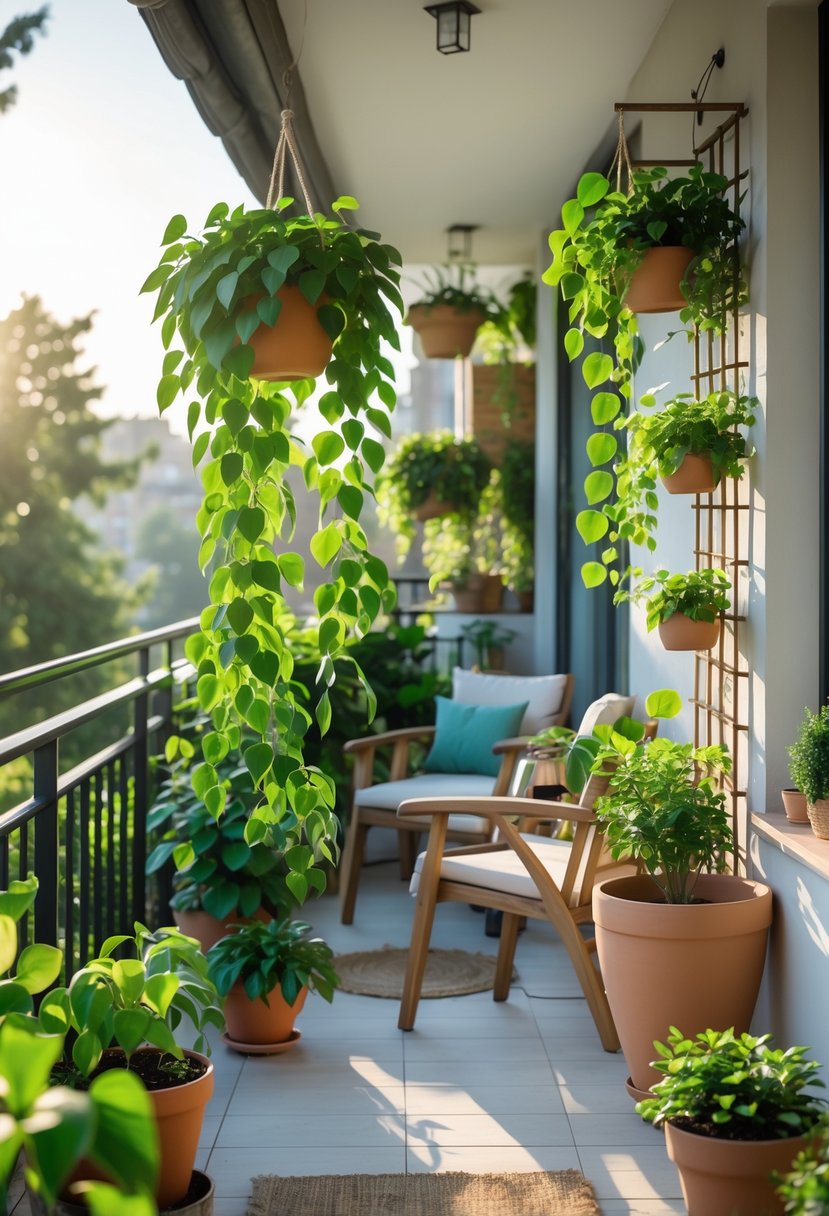
Balconies give us a fun way to add greenery and life to our homes without gobbling up space. Money plants are honestly one of the easiest and most rewarding choices—they’re simple to care for and bring a fresh, natural vibe.
If you want to decorate your balcony with a money plant, you’ll want to pick the right pots, train the vines so they look intentional, and try creative displays like hanging baskets or vertical gardens.
Mixing money plants with other green buddies or tossing in small touches like fairy lights and quirky figurines can make your balcony feel extra inviting. Those trailing vines and that lush green color can turn a boring balcony into a peaceful little retreat. Just water the plant when the soil dries out and keep it out of harsh sunlight—it’ll stay healthy and vibrant.
Choosing the Right Money Plant for Your Balcony
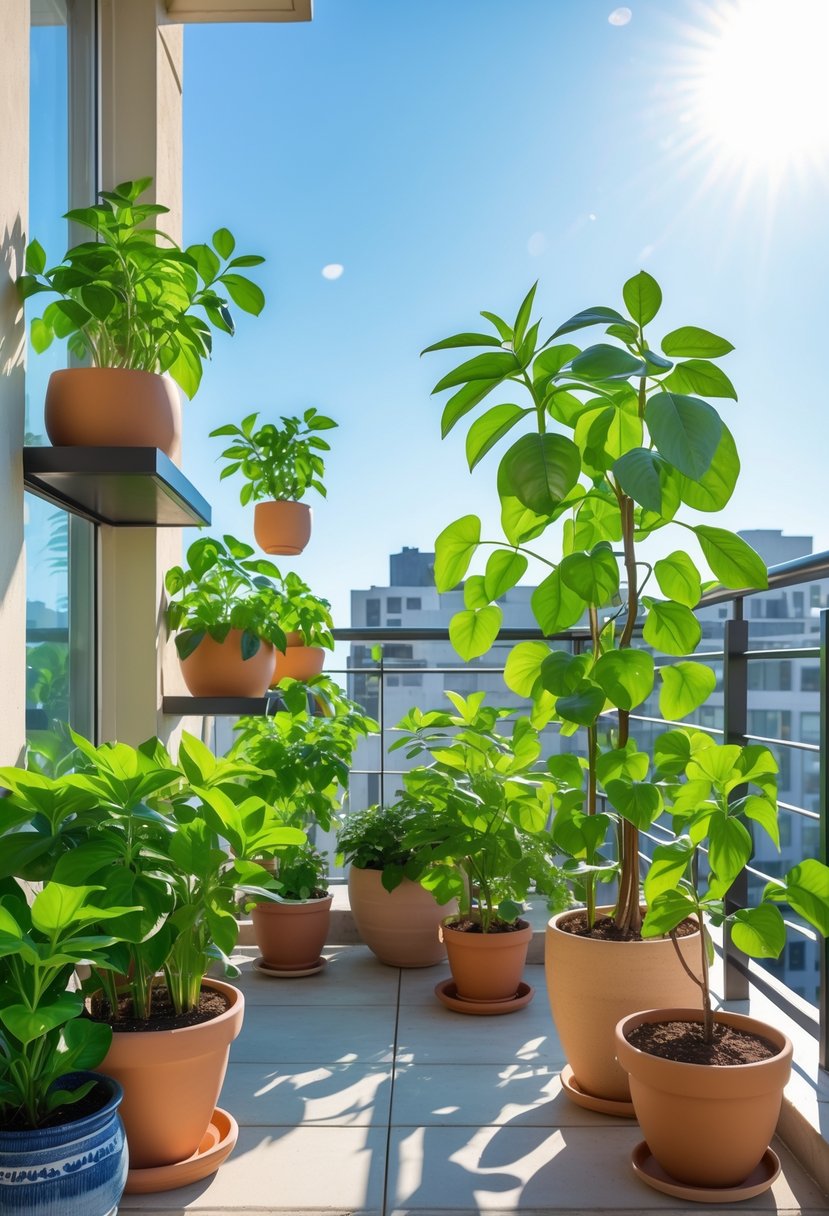
If you want a thriving balcony garden, focus on picking a money plant variety that fits your space. Look for healthy plants, and get familiar with the best growing conditions.
These steps make sure your plants grow strong and look great all year.
Popular Money Plant Varieties
Pothos (Epipremnum aureum) is the classic money plant. Its heart-shaped leaves and trailing vines make it a favorite for balconies—indoors or out.
The Golden Pothos is another winner, with green leaves splashed with yellow. It adds a bit of color and can handle low light.
If you like a brighter look, try the Marble Queen Pothos. Its white-and-green variegated leaves really pop.
All these types are super easygoing. You can let them trail or climb, so they work with lots of balcony styles.
Selecting Healthy Plants
Pick money plants with vibrant green leaves—skip any with yellow or brown spots. Firm leaves are a good sign; wilted or drooping ones aren’t.
Check the vines for strength and flexibility. Pass on any with dry stems or signs of bugs.
If you can, find plants with several stems for a fuller look. Always use pots with good drainage to keep roots happy.
Buy from sellers who keep their plants clean and healthy. It’s worth it for a better start on your balcony.
Ideal Growing Conditions
Money plants love indirect sunlight. Find a spot with bright, filtered light—direct sun can scorch the leaves.
Keep temperatures between 65°F and 85°F (18°C–29°C). Avoid cold drafts and sudden changes.
Water when the top inch of soil feels dry, but don’t let it get soggy. Good airflow helps keep mold and pests away.
Feed your money plant with a balanced, water-soluble fertilizer once a month during growing seasons. That keeps them lush and happy.


Best Containers and Planters for Balcony Money Plants
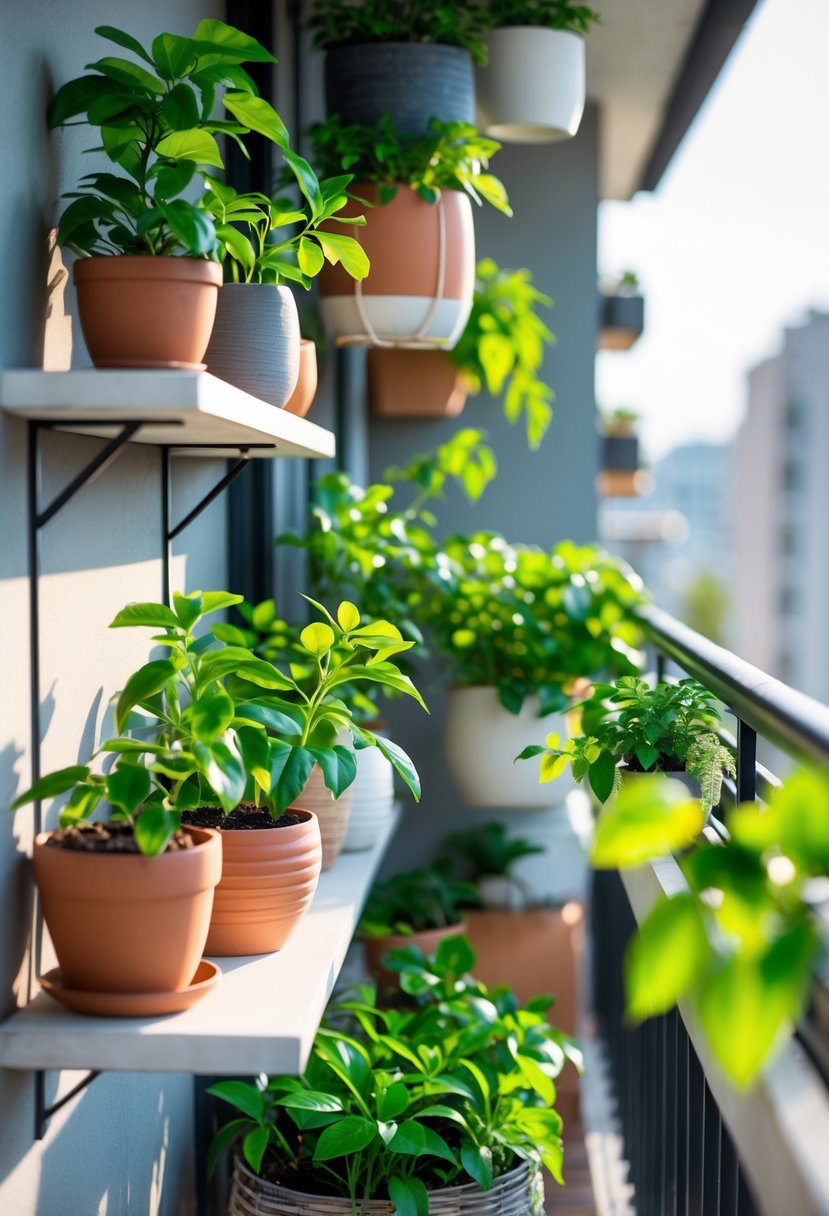
The right container makes a difference for both your plant’s health and your balcony’s look. You’ll want planters that drain well, hold soil, and match your style.
There are lots of options that mix function and good looks.
Ceramic Pots for Style
Ceramic pots give balcony gardens a polished vibe. Their smooth surfaces and range of colors make it easy to match your decor.
Ceramic keeps moisture in, which money plants like. Just make sure the pots have drainage holes so water doesn’t pool at the bottom.
Pop a saucer underneath to protect surfaces from drips. You can find ceramic pots in all sorts of sizes, so pick one that fits your setup.
Terracotta Pots for Earthy Aesthetics
Terracotta pots bring a rustic, earthy feel with their warm color. They’re porous, letting air and water move through the pot and keeping soil from staying too wet.
Money plants do well in terracotta since it balances moisture. Just remember, these pots dry out faster, so you’ll need to water more often.
They develop a weathered look over time, which adds character. Like with ceramic, drainage holes are a must.
DIY Mason Jar and Recycled Planters
If you want something budget-friendly and fun, try mason jars or recycled containers. Mason jars filled with water look sleek and let you watch the roots grow.
Change the water often to keep it fresh. For soil, recycle old tins or plastic pots, poke some drainage holes, and maybe paint them for extra flair.
Recycling cuts down on waste and lets you get creative with shapes and colors. Just make sure there’s good drainage.
Macramé Plant Hangers for a Handmade Touch
Macramé hangers add some vertical flair and free up floor space. They’re made from knotted rope or fabric and hold pots securely while letting vines dangle.
You can use macramé with different pot types—ceramic, terracotta, or glass. Stick with lightweight pots to avoid stressing the hangers.
Hanging plants like this brings a cozy, artsy feel and puts the money plant closer to the light it loves.

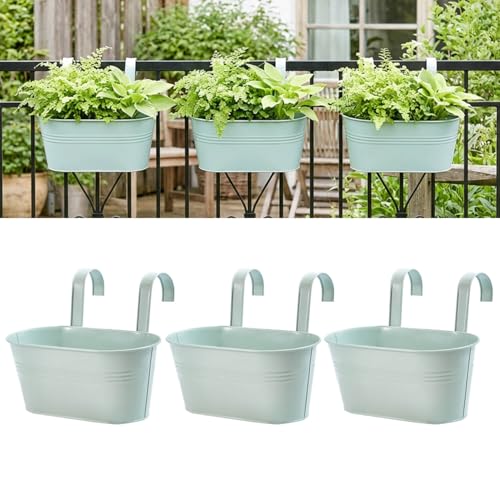
Creative Hanging and Vertical Display Ideas
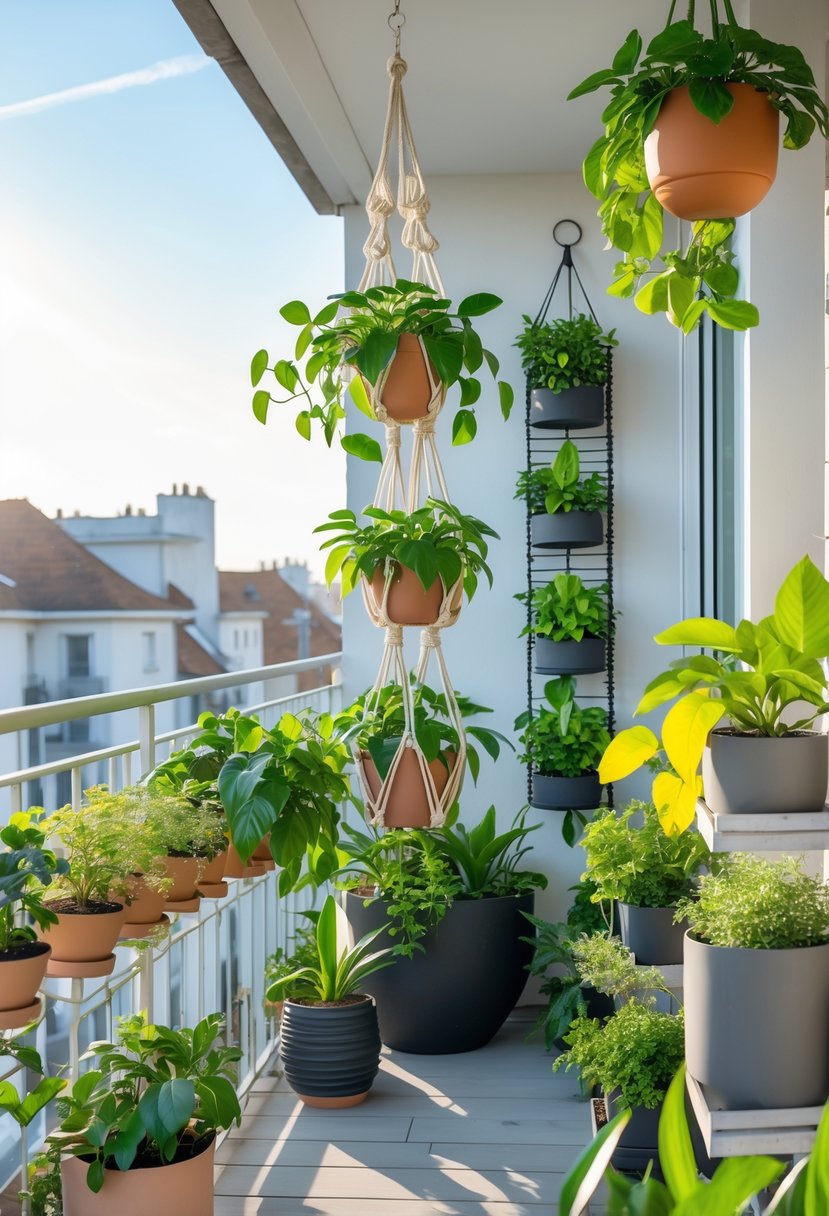
If you want to make the most of your balcony, use height and vertical space. The right setup gives you a lush look without crowding the floor.
Plus, it helps your plants get more light and air.
Using Hanging Planters
Hanging planters are perfect for adding greenery without eating up floor space. Use sturdy hooks or brackets on the ceiling or balcony roof to hang baskets with money plants.
The trailing vines create a lovely cascading effect. Macramé hangers add a stylish, boho vibe and are super practical.
Lightweight pots are easier to hang and safer. Place the planters near windows or railings for sunlight, and to keep them out of reach from pets or kids.
Water regularly and trim the vines now and then to keep them tidy. Hanging planters really help you build a vertical garden feel.
Installing a Living Wall
A living wall can totally transform a blank balcony wall into a green oasis. Start with a strong frame or panel system that can hold small pots or planter boxes.
Money plants are perfect for this—they’re easy to grow and trail nicely.
Arrange the planters to cover the frame or make a pattern for something unique. Self-watering planters or vertical irrigation systems help keep moisture even.
Good airflow behind the plants is important to prevent rot. Living walls are both decorative and practical, making the most of your space.
Vertical Garden Arrangements
Vertical stands or ladders let you show off several money plants at different heights in a small area. Put tiered stands in corners or against walls for a layered look.
Mix in other small potted plants for variety and more visual interest. Choose stands made of weather-resistant materials like metal or treated wood.
Floating shelves work too—they free up floor space and create neat rows of green along the walls. Just make sure the shelves are secure and leave space for the vines to trail naturally.
Vertical arrangements help you build a lush balcony without making it feel cramped.


Balcony Railing and Trellis Decorations
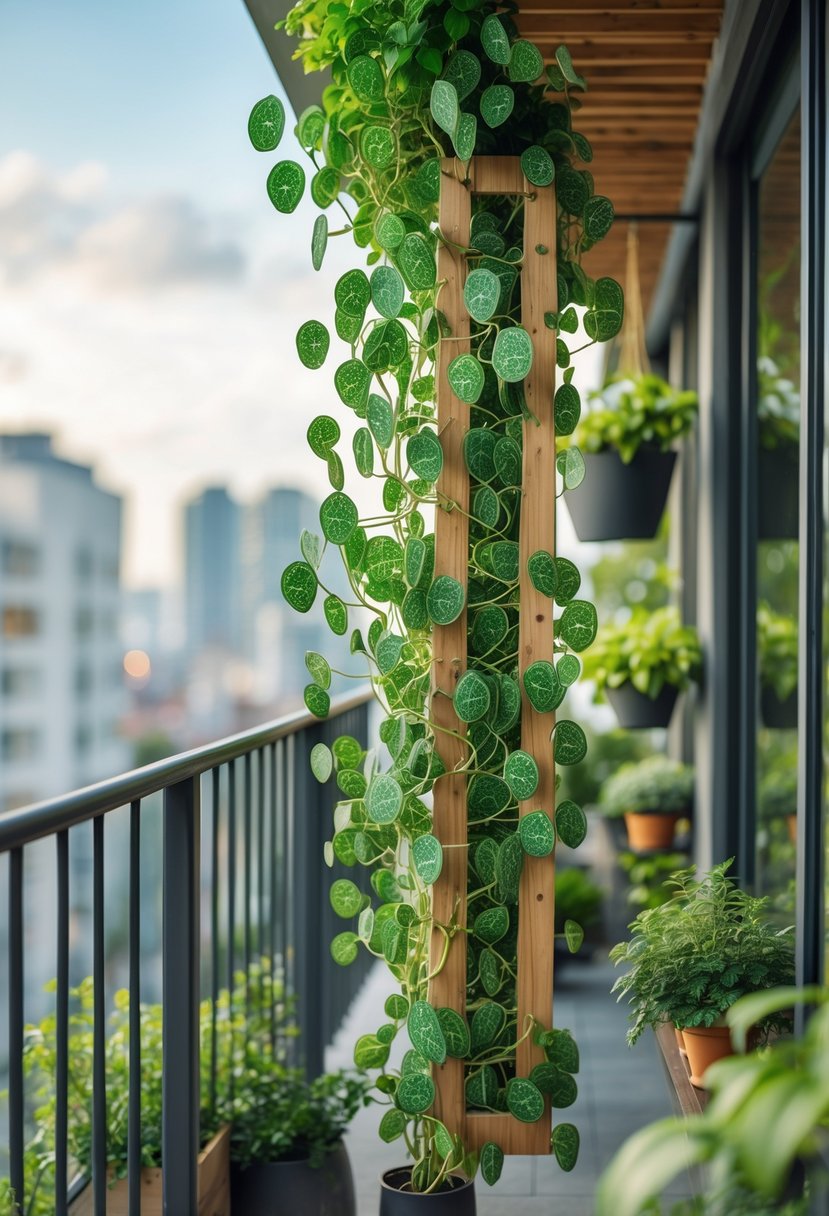
Since balconies are usually tight on space, railings and trellises are lifesavers. They let you train money plants to climb and grow without using up precious floor space.
With the right placement and support, your plants will thrive and make the balcony feel extra fresh.
Railing Wrap Techniques
Wrapping money plant vines around the balcony railing is a clever way to use narrow spots. Start by securing the plant at the base, then gently guide the vines to twist around the bars as they grow.
Use soft ties or clips to avoid hurting the stems. Make sure the vines get enough light—pick a railing spot that gets indirect sun since money plants prefer that.
If you want to protect both the railing and the plant, wrap the bars with a bit of cloth or mesh first. This method creates a natural green screen and keeps the railing looking lively.
Decorating with a Trellis
Trellises are fantastic for heavier climbers like money plants. Pick a sturdy trellis made of wood or metal that fits your balcony’s style and can handle the plant’s weight.
Attach the trellis to the wall or railing to give the plant a vertical surface to climb. Weave the vines through the gaps and secure any loose stems gently.
An arch-shaped trellis adds a sculptural touch and can act as a green divider. You can customize the size to fit your space, whether it’s tiny or roomy.
Trellises add height and fullness without crowding the area.


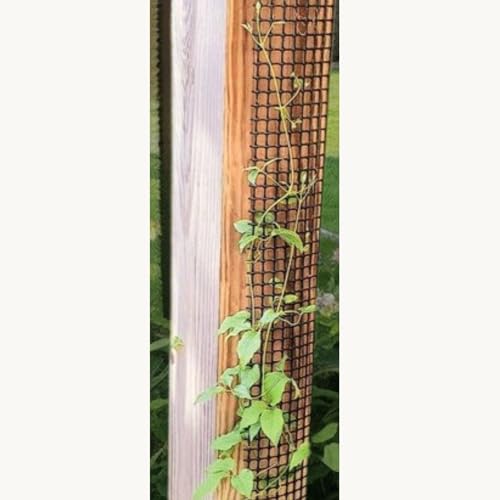
Lighting and Accessory Enhancements
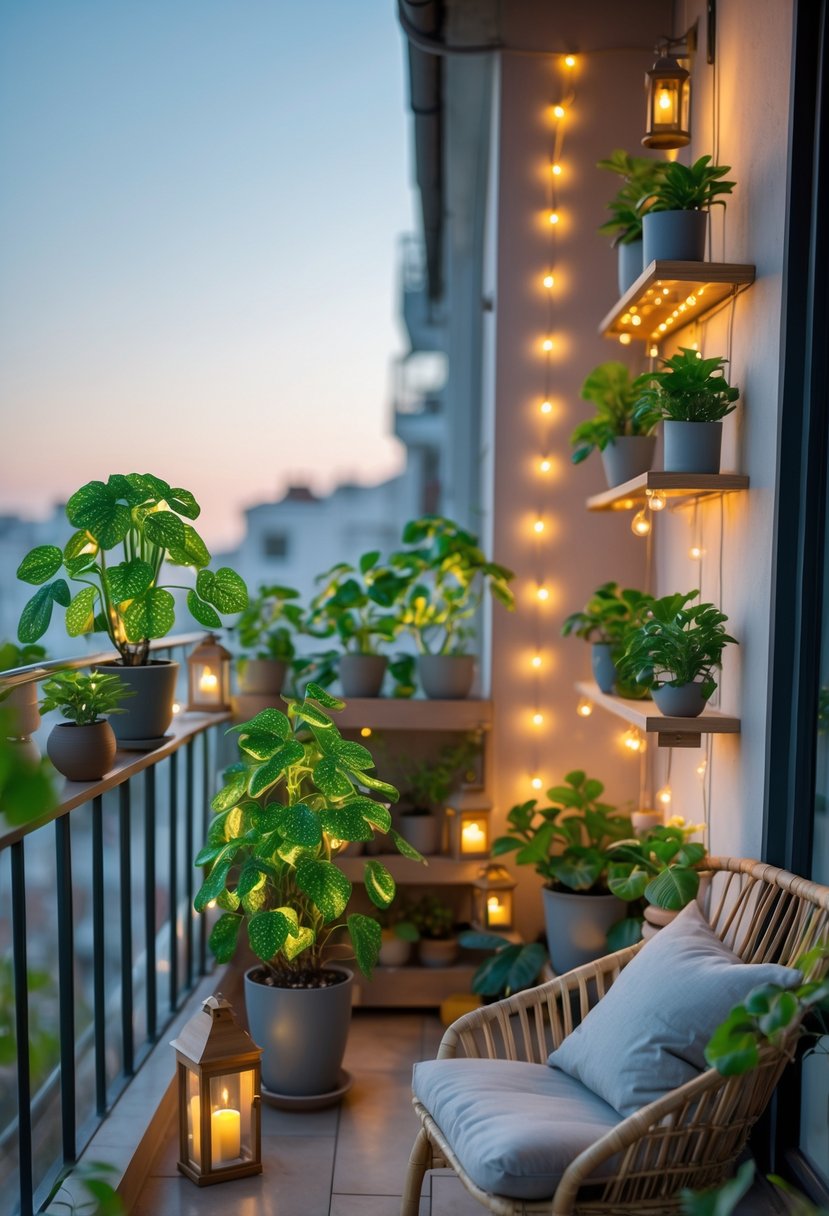
Lighting and accessories can make your money plant stand out and turn your balcony into a cozy spot. Thoughtful touches highlight the plant’s beauty and give your space some personality.
Pairing with Fairy Lights
Wrap fairy lights around the money plant or drape them nearby for a soft evening glow. The tiny bulbs highlight the leaves without making things too bright.
Battery-operated or solar fairy lights are easy and safe. Go for warm white or soft yellow—they complement the greenery better than harsh, bright lights.
Fairy lights add a cozy, magical feel. They make the balcony the perfect place to relax at night.
Incorporating Decorative Accessories
Pick pots made of ceramic, terracotta, or glass to suit your balcony’s look. Try different colors or finishes—rustic, modern, whatever fits your vibe.
Scatter pebbles or moss around the plant’s base for an extra touch without making things messy. A wooden ladder shelf or hanging baskets let you group several money plants efficiently.
Decorative trellises give the plant something to climb and create a lush backdrop. These little extras keep the balcony tidy while showing off your money plant in style.
Combining Money Plants with Other Greenery
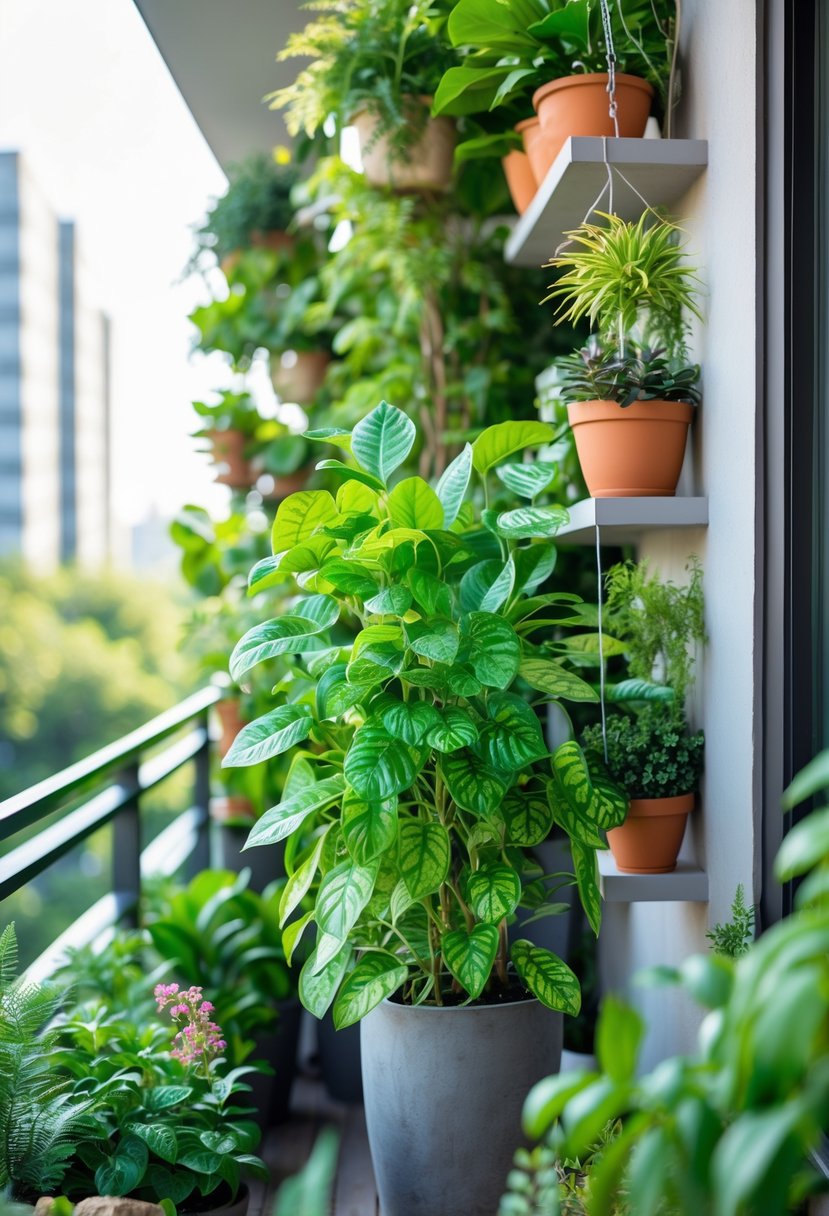
Mixing money plants with other types of greenery can really elevate your balcony’s look. Layered arrangements and a few flowering plants make the space feel balanced and inviting.
Creating a Layered Garden
Build a layered garden by arranging plants at different heights and depths. Place bigger pots with money plants on the floor or lower shelves.
Add smaller plants higher up or in hanging pots. Vertical shelves or wall planters give you more room and help show off a variety of plants.
Let money plant vines drape down or climb supports like trellises. Mix up leaf shapes, sizes, and shades of green for a more interesting look.
This setup also helps air flow between the plants.
Pairing with Flowering Plants
Pair money plants with flowering plants for pops of color and contrast. The bright flowers look great against the deep green leaves.
Try small pots of flowers like marigolds, petunias, or hibiscus alongside your money plants on tables, shelves, or railings. These flowers like similar lighting and care.
Place flowering plants where they get enough sun, and let money plants enjoy dappled or indirect light nearby. Adjust your care routine so both types stay healthy and look their best.

Essential Care Tips for Thriving Balcony Money Plants
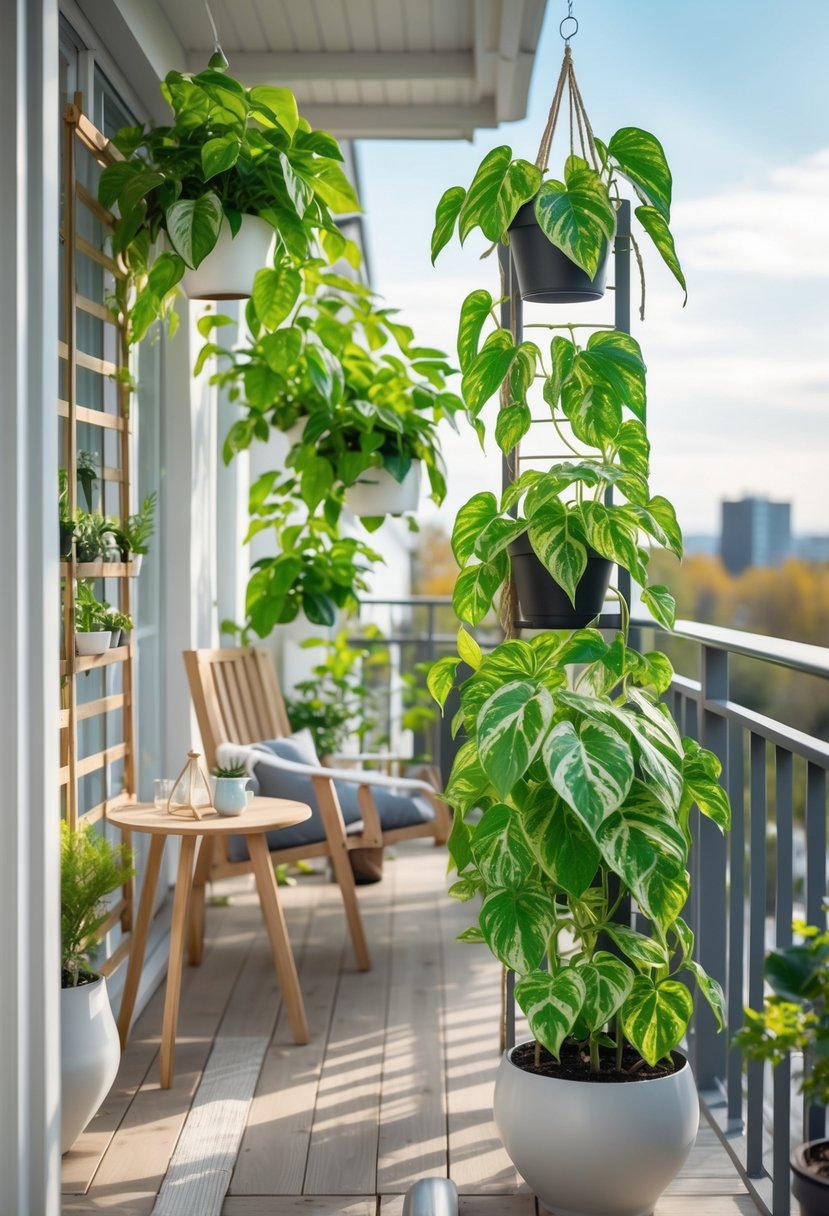
When we want healthy money plants on the balcony, we pay attention to watering, feeding, light, and regular care. Each of these makes a real difference for steady growth and helps the plant adjust to the outdoors.
Watering and Feeding
We water the money plant when the top inch of soil feels dry. If we overwater, the roots can rot, so we always make sure the pot drains well.
On hotter days, we water more often since the soil dries out faster. For feeding, we use a balanced liquid fertilizer every 4 to 6 weeks during spring and summer.
We skip fertilizer in winter because growth slows down. A mix with equal parts nitrogen, phosphorus, and potassium seems to work best for strong leaves and overall health.
By checking the soil moisture often, we avoid both under- and overwatering. Healthy roots really do make a difference.
Light and Placement Needs
Money plants like bright, indirect light the most. Direct sun on the balcony can burn the leaves, so we look for shaded or semi-shaded areas.
They’ll survive in low light, but honestly, they grow a lot slower. Setting the plant near a wall or trellis helps shield it from strong wind and heat.
If sunlight is lacking, we sometimes use a grow light for an extra boost. Letting the plant climb or trail naturally helps it make fuller vines and thicker foliage.
Pruning and Maintenance
We prune to keep balcony money plants looking good and under control. Trimming long or scraggly vines encourages bushier growth.
If we spot yellow or damaged leaves, we remove them to stop disease. We also keep an eye out for pests like spider mites and aphids, especially when it’s warm.
Wiping the leaves or using neem oil helps if pests show up early. Every so often, we clean the leaves to get rid of dust, which helps the plant photosynthesize better and just look healthier.
Frequently Asked Questions
People often ask about growing money plants on balconies—how do you save space, make sure they get enough light and air, and keep them happy? Picking the right pots and supports matters, and it helps to know how to care for them all year.
What are the best containers for planting money plants on a balcony?
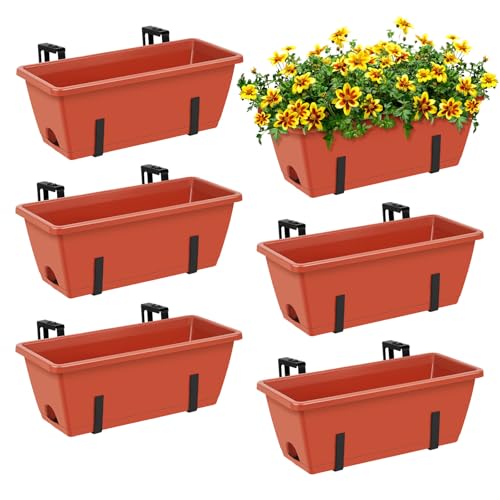
We usually go for lightweight pots like plastic or fiberglass since they’re easy to move. Hanging pots and wall planters save floor space and look pretty stylish.
Sometimes, we use glass bottles or mason jars with water for a simple, minimal vibe.
How can one optimize limited balcony space when growing money plants?
Using hanging planters or vertical gardens lets us use the space above. Wrapping vines around railings or setting up wall dividers with several pots keeps things green without cluttering the floor.
What are effective ways to ensure proper light and air for money plants on a balcony?
Money plants thrive in bright, indirect light. We avoid harsh direct sun, especially when it’s hot, to keep the leaves from burning.
Putting the plants where air moves freely helps stop fungal issues.
What kind of support structures can be used for money plants on a balcony?
We train money plants along trellises, wire mesh, or even wrap them around balcony railings. Curtain rods or frames can make great hangers for green partitions.
These supports help the plants climb and keep the balcony looking neat.
How frequently should money plants be watered in a balcony setting?
Usually, watering once a week works, but it depends on the weather. We check the soil—if the top inch feels dry, it’s time to water.
Overwatering is risky, so we always try to avoid soggy roots.
Can money plants be grown on a balcony throughout the year, and how does this vary by climate?
If you live somewhere warm, you can usually keep money plants on your balcony all year. They really seem to thrive outside when the weather stays mild.
But in colder places? You’ll probably have to bring them indoors once winter rolls in, or at least shield them from the frost. Honestly, it’s all about tweaking your care as the seasons change. That’s how you’ll keep your plants happy, no matter what the weather does.