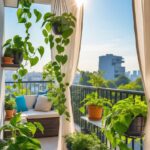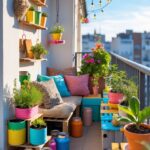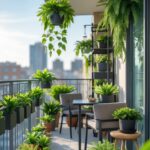
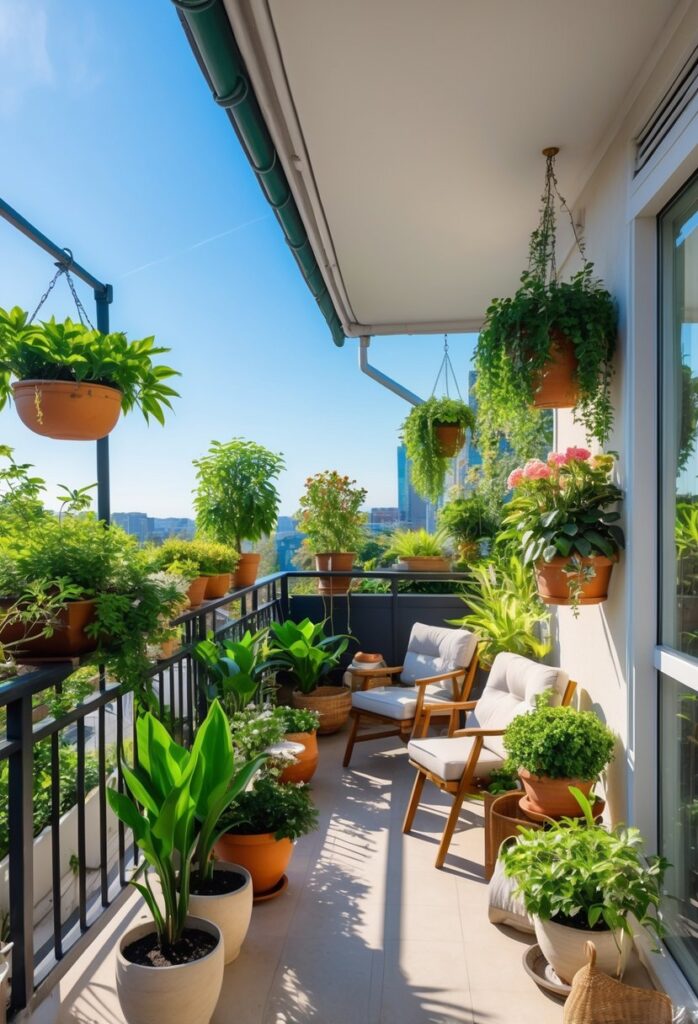
Decorating a balcony with plants can transform even the tiniest outdoor area into a cozy green escape. Try vertical gardens, hanging pots, or railing planters to use your space smartly and add texture and color.
These tricks let us create a vibrant area without piling everything on the floor.
Picking the right plants and containers matters a lot. Mix easy-care succulents with flowering pots or lush greenery that fit your balcony’s light and weather.
Add comfy seating and some subtle lighting to finish the vibe. Suddenly, your balcony feels both beautiful and useful for everyday life.
Choosing the Right Plants for Your Balcony

Choosing plants means thinking about space, light, and how much effort you want to put in. Smart choices can fit your balcony size, add color, and handle your climate.
Best Plants for Small Balcony Spaces
Small balconies need plants that won’t take over. Succulents work great since they barely need water and stay compact.
If your balcony is shady, ferns are a solid pick.
Use vertical planters or hanging pots to keep the floor clear. Try plants that grow up or trail down, like English ivy or little herbs.
Lightweight pots make moving things around easier.
Colorful Blooms for Balcony Gardens
Bright flowers really lift a balcony’s look. Petunias are a favorite—they bloom all season and come in tons of shades.
Butterfly bushes or canna lilies also add bold color.
Make sure your flowers match the sunlight your balcony gets. Some love full sun, others need shade.
Mix up pot sizes and heights to create layers of color.
Low-Maintenance Plant Options
Not everyone wants to fuss over plants every day. Low-maintenance picks are lifesavers for busy folks.
Aloe or jade are succulents that thrive with little water. Bamboo and arborvitae do well in pots and don’t need much pruning.
Pick plants that handle changing weather. Slow-release fertilizer cuts down on feeding chores.
Considerations for Sunlight and Climate
Figure out how much sun your balcony really gets. Full sun? Try yellow Indian grass or big bluestem. Have more shade? Dracaena and ferns love it.
Climate plays a big role, too. Some plants tolerate heat or cold better, so check their preferred temperature range.
Humidity matters—some plants crave it, others want drier air.
| Sunlight Type | Suitable Plants | Notes |
|---|---|---|
| Full Sun | Petunias, Canna Lily, Hops | Need 6+ hours of sunlight |
| Partial Shade | Dracaena, Ferns, Bamboo | Prefer indirect light |
| Shade | English Ivy, Skip Laurel | Tolerate low light |
Pick plants with these factors in mind to help your balcony garden thrive.

Maximizing Space: Creative Plant Arrangements

When we decorate a balcony with plants, every inch counts. Using layers of greenery makes the space feel lush without crowding it.
Try different containers and surfaces to fit more plants in, minus the clutter.
Using Planters to Save Floor Space
Planters fit nicely into corners or can stack up vertically. Multi-tiered or stackable planters help you grow more in the same spot.
Sturdy planters with drainage keep plants healthy and protect your balcony.
Group small herbs like thyme or mint in tight planters. Larger pots can hold flowers or veggies.
Planters with built-in water reservoirs mean less watering for you.
Put planters on shelves or stands to lift them off the floor and open up the space. It also makes watering and harvesting easier.
Vertical Gardening Solutions
Vertical gardening is a game-changer for small balconies. Use trellises, wall-mounted pots, or modular panels to grow upward.
This way, you use walls and create a green backdrop.
Let vines like pothos or ivy cascade down. Upright herbs or compact succulents add interest at different heights.
Vertical gardens boost airflow and can help keep plants healthier.
Check the sunlight before setting up and pick plants for each light zone. Lightweight containers and secure mounts keep things safe.
Hanging Planters and Baskets
Hanging planters add greenery without using floor or railing space. Hang baskets at different heights for layers of trailing plants like lobelia or petunias.
Baskets with water reservoirs make plant care simpler.
Trailing plants soften balcony lines and move in the breeze, which looks nice. A mix of flowers, foliage, and herbs creates a lively display.
Use strong hooks and check weight limits for safety. Hang baskets near windows or in shaded spots to protect delicate plants.
Utilizing Balcony Railings and Ledges
Railings and ledges are perfect for narrow planters. Attach railing-mounted pots for herbs, small flowers, or trailing greens.
Mix upright herbs like rosemary with trailing ones like thyme.
Secure, adjustable mounts keep planters from slipping.
Railing boxes often have drainage and water reservoirs, so water won’t drip on neighbors.
Using railings turns them into green borders and adds privacy. Plus, harvesting is a breeze when plants are within reach.


Designing a Balcony Garden with Layers and Texture

Creating layers and texture makes a balcony garden feel much fuller and more inviting. Mix up plant heights, shapes, and arrangements to add depth.
This approach makes the space feel lush without feeling packed.
Tiered Plant Stands for Multi-Level Display
Tiered plant stands let you stack plants vertically and save floor space. Each plant gets its own spot in the sun.
Wood or metal stands can match your style.
Put tall plants on the bottom, shorter ones on top. Herbs, small flowers, and succulents all fit nicely.
This setup keeps everything organized and easy to water.
Mixing plant shapes and leaf sizes adds texture. Plus, you can see and reach every plant without shuffling pots.
Grouping Planters for Depth
Grouping pots of different sizes and materials gives a layered look. Mix terra cotta, ceramic, or plastic pots for contrast.
Combine broad-leafed plants with wispy ones for more dimension.
Put taller plants in the back and smaller ones in front—it gives a sense of depth.
You can move grouped pots around easily. It’s ideal for renters or anyone who likes to change things up.
A cluster of planters can turn a balcony corner into a mini garden.
Incorporating Cascading and Climbing Vines
Vines bring softness and vertical pop to balcony gardens. Let cascading vines spill over shelves or railings to create a green curtain.
Climbers like ivy, morning glory, or jasmine can use trellises or rails to grow up instead of out.
Mix different vines for a layered look with lots of texture. Some have big leaves, others are all tendrils.
This leafy backdrop makes the balcony feel like a private retreat.


Enhancing Privacy and Comfort With Plants

If you want privacy and comfort, pick plants and arrange them with care. Build natural screens, choose dense foliage, and blend greenery with your furniture for a relaxing setup.
Creating a Natural Privacy Screen
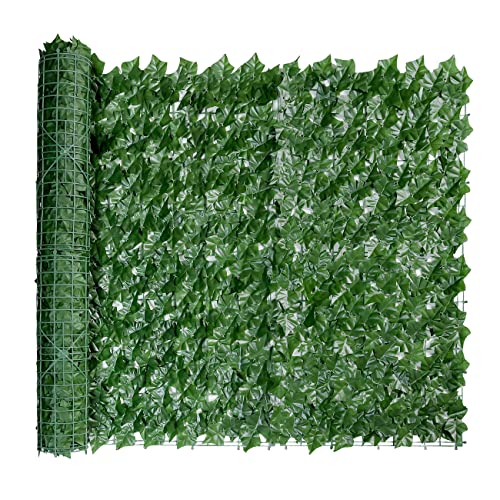
To block out unwanted views, plant tall, dense greenery for a natural screen. Bamboo is a top pick—it grows fast and thick, making a living wall.
Clumping types like Fargesia won’t spread everywhere.
Boxwoods and arborvitae are good too. They stay green all year and form solid screens.
Use large containers for their roots and place them where they get enough sun. Prune regularly to keep them dense and tidy.
Choosing Plants for Dense Coverage
Dense foliage plants create privacy and a calming vibe. Ivy and clematis vines climb trellises or rails to cover open spaces.
Clematis even adds flowers for extra color.
Tall ferns and ornamental grasses bring texture and thickness without hogging space. Pick plants that suit your balcony’s light and weather.
Keep their soil moist and prune dead leaves to keep them looking full. Combine a few types for the best coverage.
Integrating Plants With Outdoor Furniture
Plants and furniture together make balconies feel inviting. Place tall pots or bamboo screens near a hammock for a private nook.
Low herbs or small flowers around chairs add color without crowding.
Try vertical gardens or hanging pots to save floor space but still surround your furniture with green. Match containers to your decor for a pulled-together look.
Thoughtful placement turns the balcony into a real outdoor room where privacy and comfort meet.

Adding Decorative Touches and Functional Elements

A well-balanced balcony garden needs lighting, furniture, and accessories that look good and work well. These touches boost comfort, show some personality, and tie everything together with the plants.
Balcony Lighting With Lanterns
Lanterns add both light and style to balcony spaces. Choose from metal, glass, or battery-powered options, whatever fits your needs.
Set them on tables, hang them from hooks, or line them along the rail for a warm glow.
LED candles inside lanterns are safe and give a soft flicker. Stringing small lanterns together creates layers of light and highlights your plants or seating.
Keep the lighting cozy, not too bright, so it matches the relaxed mood.
Selecting Furniture to Complement Greenery
Pick furniture that’s comfy, fits your space, and matches your style. Foldable chairs or slim benches work well for tight balconies.
Wood or wicker blends naturally with plants for an earthy feel.
Stick to neutral or earth-tone cushions so the plants stand out. Tables with plant stands or built-in pots combine function and flair.
Choose pieces that invite you outside but don’t crowd the balcony.
Personalizing With Decorative Accessories
Accessories give your balcony garden personality. Toss in colorful cushions, a small sculpture, or a wind chime for character.
Weather-resistant art on the walls adds interest and texture.
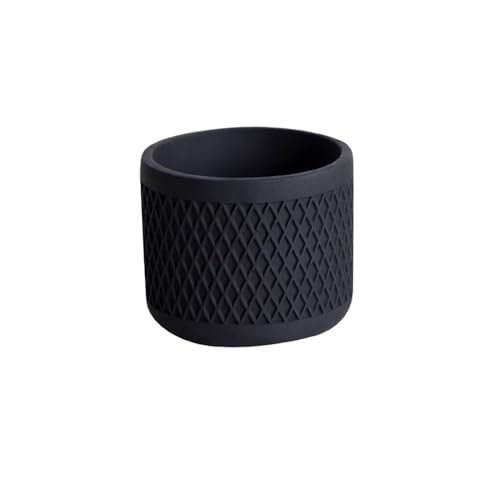
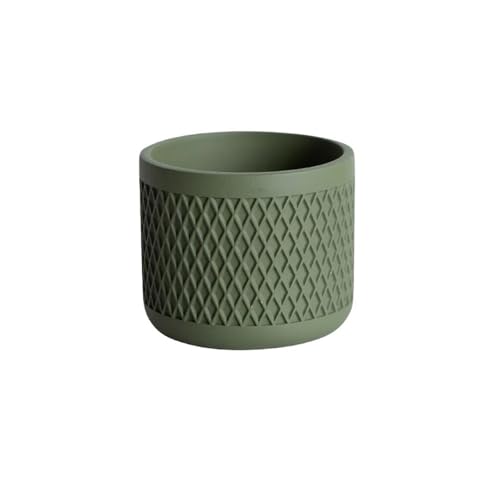
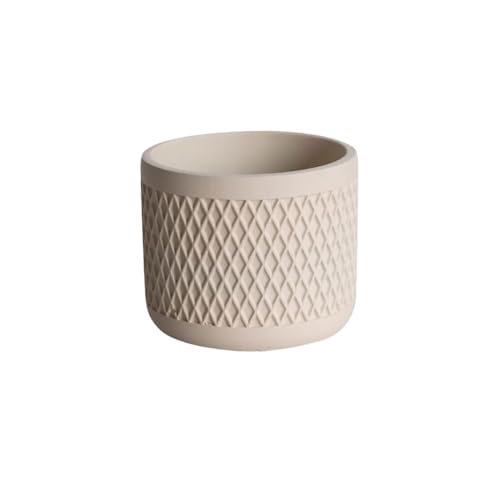
Choose pots with cool shapes or patterns to show off your plants. Natural touches like pebbles or driftwood amp up the garden feel.
Keep it simple—pick a few favorite pieces that fit the space and don’t block light or paths. The goal is to keep things inviting and pleasant.
Maintenance Tips for a Thriving Balcony Oasis

Keeping a balcony garden healthy takes some regular attention, a bit of flexibility, and a willingness to tackle issues as they pop up. If we watch our watering, change up our plant choices with the seasons, and keep an eye out for pests or drainage problems, our plants are way more likely to do well.
Routine Care and Watering
Let’s water based on what each plant actually needs—forget about sticking to a rigid schedule. Succulents, for instance, barely need water, maybe just once a week.
Leafy plants? They might be thirstier, so two or three times a week usually works. I like to check the soil with my finger every day; if it feels dry, it’s time for a drink.
Always use pots with drainage holes. That way, we won’t end up with soggy roots or unhappy plants.
Dead leaves and overgrown bits show up sooner than you think. Snip those off regularly to keep things looking fresh and to encourage new growth.
During the growing season, a balanced fertilizer once a month gives plants a nice boost.
Seasonal Updates and Plant Rotation
The balcony’s sunlight and temperature change a lot through the year, so our plant care has to shift too. In the summer, it’s fun to add sun-loving plants like tomatoes or herbs.
When it gets cold, swap in hardier choices like pansies or evergreens. If you’ve got delicate plants, just bring them inside for winter.
Switching plants with the seasons keeps things interesting and helps the soil recover. Rotating different types of plants prevents the soil from getting tired.
Lightweight pots make it so much easier to move everything around when you need to.
Addressing Common Balcony Plant Challenges
Balcony gardens often feel cramped, get hit by wind, or don’t get consistent sunlight. To save space, try using vertical planters or hang pots from the railing.
Wind can dry out soil or batter your plants. Bamboo screens or just grouping pots together can block some of that wind.
Pests like aphids or spider mites sneak in sometimes. I check my plants each week and jump on any issues with insecticidal soap or a good rinse.
Soggy soil can be a real headache. Make sure pots drain well, and dump out extra water from saucers, especially after rain.
Frequently Asked Questions

I usually pick plants that fit the balcony’s size and light. Tall or bushy plants can add privacy, which is honestly pretty nice if you’ve got close neighbors.
Arranging plants by height and type just makes the space work better. Protecting them from wind and cold is worth it, too. I lean toward low-maintenance plants and love vertical gardens for small spaces.
What are the best plants for a small balcony?
If you’re short on space, compact picks like succulents, herbs, and small flowering plants are great. Go for shade-lovers if your balcony doesn’t get much sun, or sun-loving types if it’s really bright.
How can I ensure privacy on my balcony with plants?
Tall plants—think bamboo or big grasses—make natural screens. Climbing plants on a trellis also work and look good. If you group plants close together, it helps block views from next door.
What are effective ways to arrange plants on a balcony?
Put the tallest plants at the back or sides for privacy and a balanced look. Fill in empty spots on tables or shelves with smaller pots.
Clustering plants together creates cozy green corners and saves space. Rotating them now and then helps all your plants get enough sunlight.
How do I protect balcony plants from extreme weather conditions?
Windbreaks like screens or trellises can shield your plants from strong gusts. When frost or bad weather hits, bring sensitive plants inside.
Pick hardy plants that can handle your local climate, and if things get really rough, cover them with cloth for a little extra protection.
What are low-maintenance plants suitable for balcony decoration?
Succulents, snake plants, pothos, and ferns are all easygoing and don’t need much water. Herbs like rosemary and mint are also super simple to grow.
They’ll brighten up your space without demanding a lot of attention.
How can I create a vertical garden on my balcony?
Try using wall-mounted planters or hanging pots to let your plants grow upward. You could also grab a trellis for climbing plants—it’s surprisingly effective.
Shelves or even an old ladder can hold several small pots in a vertical stack. This setup frees up your floor space and brings in some lively layers of green.
Honestly, once you start, you might find it’s more fun than you expected.