
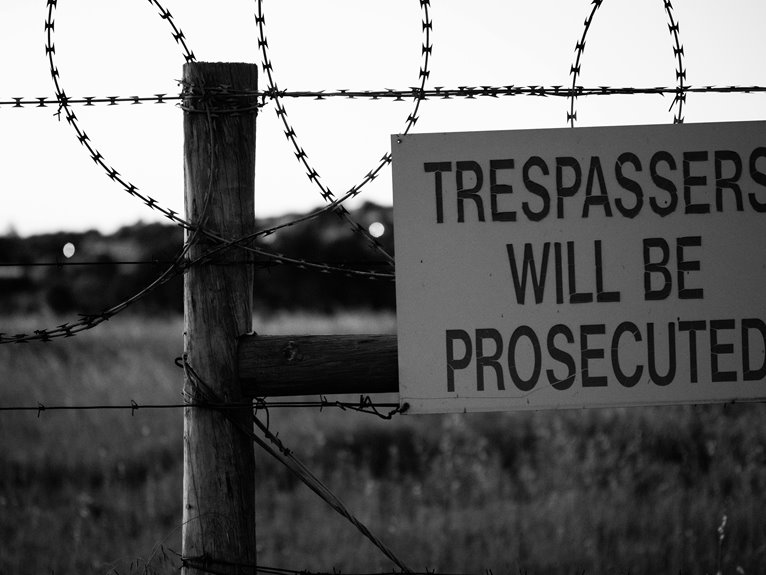
No, repo agents can’t legally enter your backyard without permission. Your backyard counts as an enclosed space, unlike your driveway, which is accessible from the street. A locked gate or fence creates a strong legal barrier they can’t cross. If a repo agent forces through your locked gate or enters after you’ve asked them to leave, they’ve breached the peace and committed trespass. Documenting these violations protects your rights. Understanding your property boundaries and enforcement options reveals what happens when repo agents overstep.
Where Repo Men Can Enter Your Property?
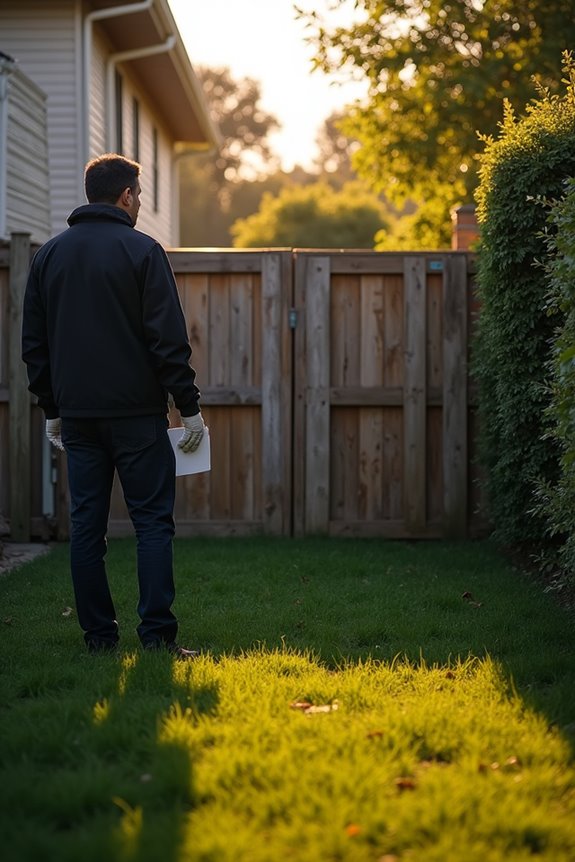
While repo agents have legal authority to repossess vehicles on your property, this authority comes with clear guidelines that protect your rights. Repo agents can generally access your driveway and open yards without permission, as these areas don’t involve unlawful entry. However, they cannot enter locked structures like closed garages without your consent.
The distinction between open and enclosed spaces defines what constitutes trespass. Your driveway does allow entry because it’s accessible and visible from the street. A locked garage does not allow entry because it creates a secured boundary requiring consent.
You retain significant power during repossession. If you ask repo agents to leave your property, they must comply immediately. Continuing entry after your request constitutes breach of the peace and violates repossession law. Understanding these boundaries protects your rights during vehicle repossession on private property.
How Breach of Peace Stops Repo Entry

Because the law prioritizes your right to peaceful property possession, repo agents must stop repossession the moment you request it. Your verbal objection creates an immediate legal boundary that defines breach of peace. If a repo agent enters your backyard or attempts to access a locked garage without permission, they’re crossing into unlawful trespass territory. Entering enclosed spaces—like sheds or garages—generates breach of peace concerns that can trigger police involvement. The moment you ask them to leave your private property, they must comply. Refusing to stop repossession after your request constitutes potential criminal conduct. This legal protection applies regardless of bankruptcy proceedings or outstanding debts. Understanding this boundary helps you protect your property rights and maintain control over your own space.
Locked Doors and Gates: Your Second Defense

What happens when a repo agent encounters a locked gate or closed garage door? Your locked doors and gates create a powerful legal barrier against repo entry. Locked structures define private property boundaries, making unauthorized garage entry unlawful without your consent. A repo agent who forces through a locked gate risks breach of the peace charges and trespass violations. These barriers exist because law recognizes your right to exclude others from enclosed spaces. Even partial backyard access doesn’t permit locked door breaching. Your locked garage door functions similarly—it signals restricted access requiring either your permission or a court order. Repo agents understand that forcing locked entry converts civil collection into criminal trespass. These physical boundaries protect you legally, requiring law enforcement involvement before any forced repo entry occurs.
Repo Crossed the Line: Your Legal Response

When does a repo agent’s actions cross from legal collection into unlawful conduct? You have clear protections under repossession law when agents breach the peace or trespass on your private property without authorization. If repo workers enter locked areas like your backyard or garage without permission, they have likely committed trespass. When you tell them to leave and they ignore you, their actions create a breach of the peace situation.
Document everything: take photos, record interactions, and note dates and times. Contact an attorney immediately if this happens to you. Police involvement becomes necessary when unlawful entry occurs. Your attorney can explore legal remedies and file complaints. Some situations qualify for bankruptcy protection, which halts repossession entirely. These steps define your defense against overreaching collection practices.
Keep Repo Men Out: Garages, Fences, and Legal Notices
How can you physically prevent repo agents from accessing your property? You establish clear boundaries that create lawful barriers to unlawful entry. Installing physical structures and posting notices defines your property lines and protects against trespass during repossession attempts.
Establish clear boundaries with physical structures and posted notices to define property lines and protect against trespass during repossession attempts.
- Locked garage doors stop repo agents from accessing vehicles without consent or court orders
- Sturdy fenced yards with locked gates require lawful access through proper legal channels
- “No Trespassing” signs posted visibly inform agents that breach of peace isn’t permitted
- Written notices sent via certified mail document your explicit withdrawal of permission
The fence does its job because it physically separates your space from public access. Contact an attorney to understand your state’s specific repossession laws. These preventative measures protect your property owner rights and create a clear legal record if unlawful entry occurs, supporting potential claims against the repossession company.