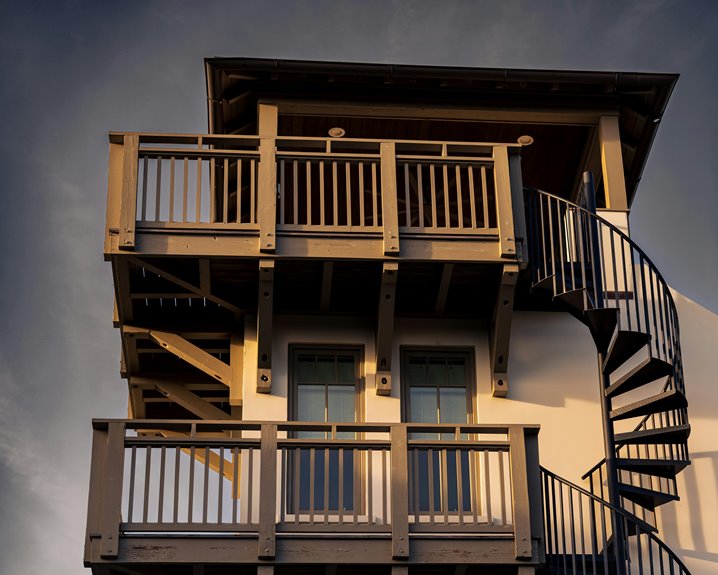
A Juliet balcony is a decorative railing attached directly outside your window or French door, creating outdoor connection without consuming floor space.
You’ll choose between steel, glass, or curved designs based on your home’s style and maintenance preferences.
Steel offers durability and weather resistance; frameless glass maximizes light and sightlines.
Most installations fall under permitted development, though listed properties require approval.
Expect a 5-10% home value increase from improved aesthetics and natural light.
Understanding your material options and local planning requirements upfront will help organize your installation timeline and investment returns.
What Is a Juliet Balcony and Why Install One?
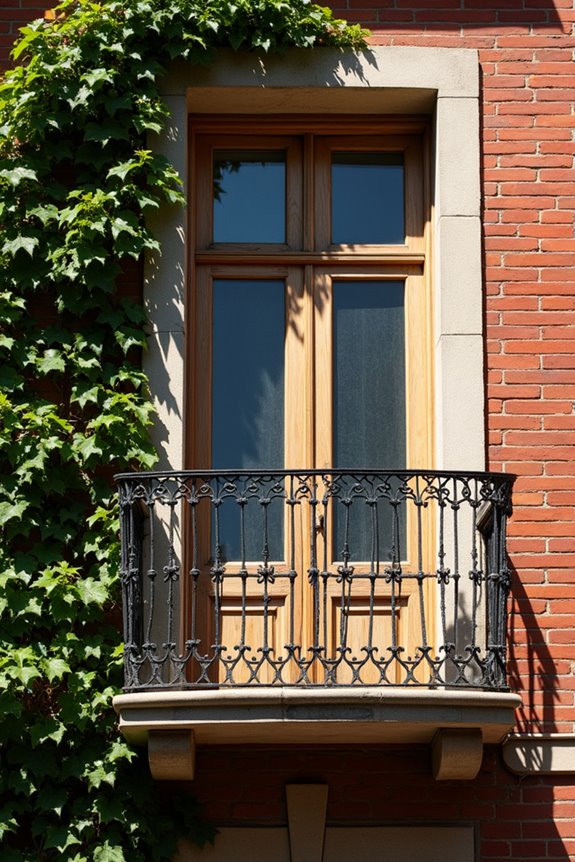
Have you noticed a railing attached to some windows without a balcony extending outward? That’s a Juliet balcony—a decorative safety railing placed directly outside your window or French door. Unlike traditional balconies, it provides no platform to step onto, making it ideal for urban spaces where room is limited.
You’d install one because it creates multiple benefits simultaneously. The glass railing allows light and air into your home while defining your outdoor edge clearly. This space-saving design improves your property’s appearance without consuming precious square footage. Steel or frameless glass options suit various architectural styles.
A safety railing does more than meet building codes; it prevents accidents while maintaining sightlines. Your Juliet balcony solves the problem of wanting outdoor connection without sacrificing interior space—a practical solution for modern homes.
Three Juliet Balcony Styles: Steel, Glass, and Curved
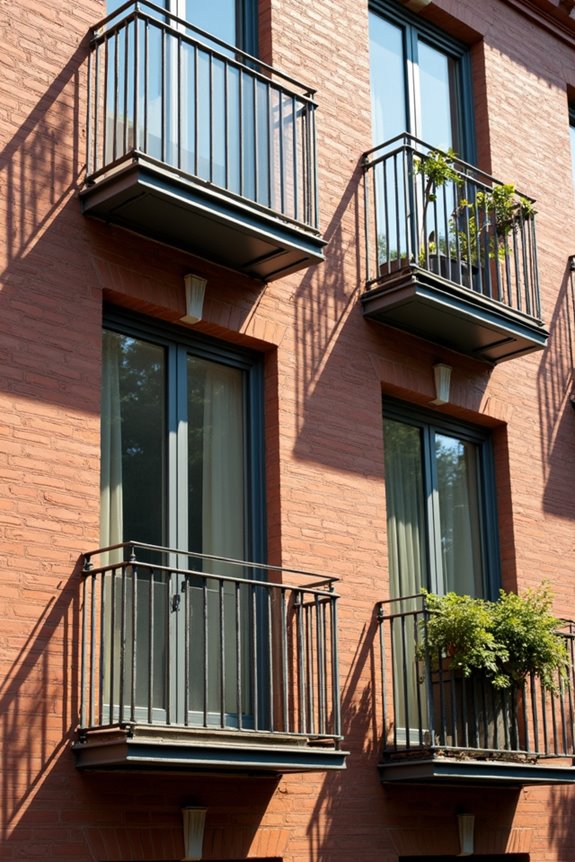
When selecting a Juliet balcony, you’ll encounter three distinct styles that each bring different qualities to your home. Steel balconies offer durability and versatility, working well with both traditional and modern aesthetics. Stainless steel options resist corrosion effectively, creating sleek lines suitable for contemporary designs. Glass Juliet balconies, whether frameless or framed, maximize transparency and natural light. Frameless versions use tempered glass panels with no visible frames, defining unobstructed outdoor views. Curved styles introduce softer silhouettes that suit various facades, adding architectural interest and lasting appeal. Your choice depends on design goals, material compatibility, and budget. Steel provides long-term durability for practical homeowners. Glass creates openness and brightness. Curved designs balance safety with visual distinction, helping you achieve the specific aesthetic and functional outcome you’re seeking.
Juliet Balcony Materials: Glass vs. Metal-Which Is Right?
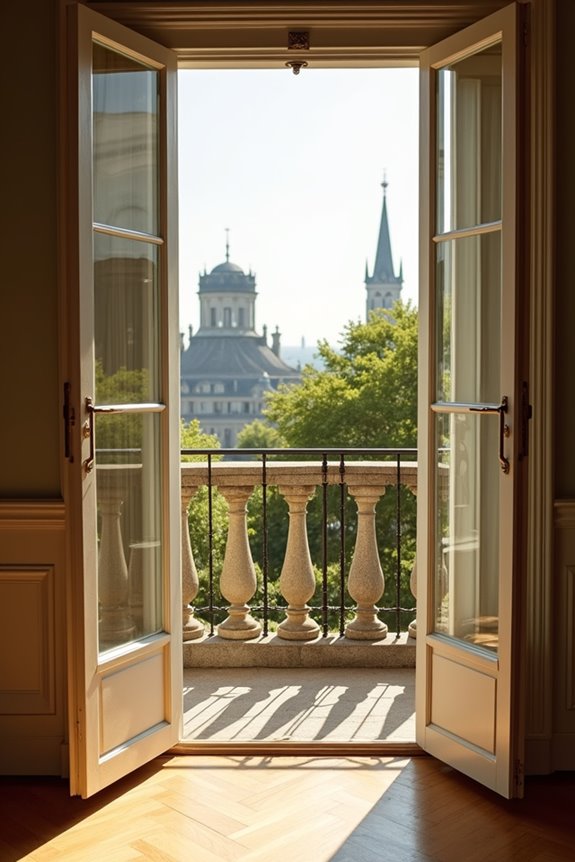
While the previous styles showcase different shapes and finishes, your material choice fundamentally determines how your balcony performs and looks. Glass and metal each solve different problems.
Glass creates transparency and maximizes light entering your home. Frameless tempered panels offer an almost invisible enclosure, boosting space perception. However, you’ll need exterior access for cleaning, and exterior fittings require regular inspection.
Glass balconies maximize light and create transparency, though exterior cleaning access and regular fitting inspections remain necessary considerations.
Metal balconies, typically powder-coated steel or aluminium, provide durability and design range. They withstand weather well. Metal does require varying maintenance depending on coating quality because rust risk differs by product. You can clean metal balconies from inside your home more easily than glass.
Your choice depends on priorities: choose glass for visibility and contemporary aesthetics, or select metal for robustness and easier maintenance. Both deliver reliable performance when properly installed.
Do You Need Planning Permission? (And Where Should It Go?)
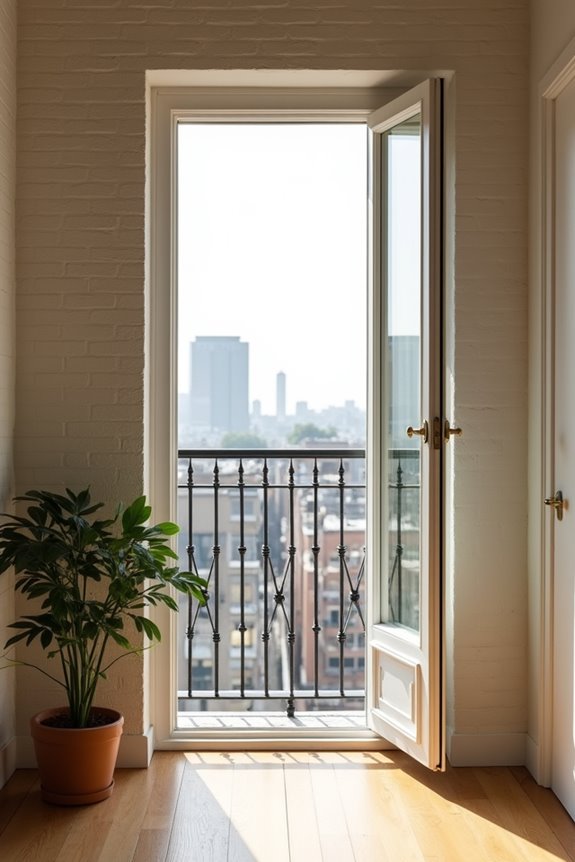
Most Juliet balconies won’t require planning permission because they’re classified as permitted development in many areas. However, you’ll need to verify your specific situation before installation.
Several conditions trigger planning permission requirements:
- Your property is listed or located in a conservation area
- A floor exists beneath the balcony installation point
- The Juliet balcony appears uncommon locally or visible from the street
- Local regulations restrict installations to rear-facing positions only
The Juliet balcony defines your home’s character because its placement significantly impacts neighborhood aesthetics. A site survey with your local planning authority creates clarity about permissions and restrictions specific to your property.
This consultation prevents costly delays and confirms compliance. Understanding these requirements upfront simplifies your installation timeline considerably.
Will a Juliet Balcony Boost Your Home’s Value?
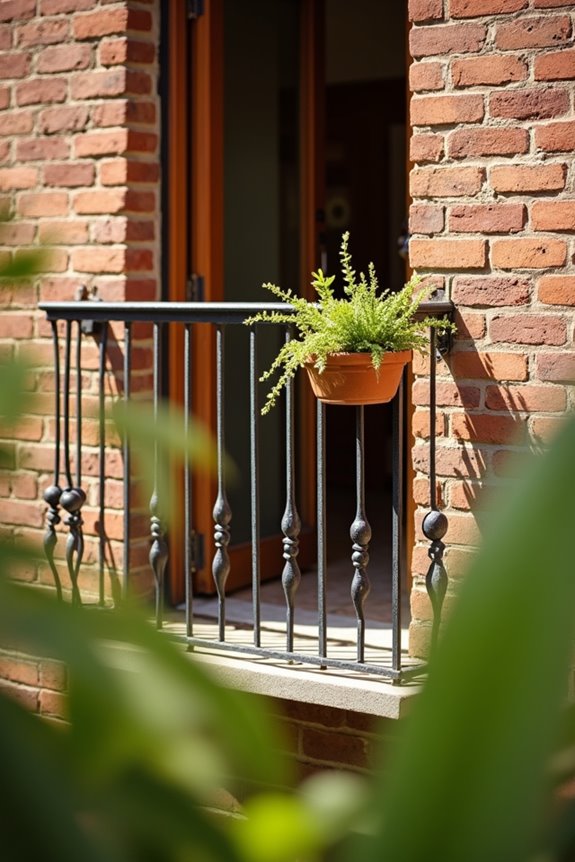
A Juliet balcony typically boosts your home’s value by 5-10% because it creates improved curb appeal and increases interior light without requiring expensive construction. Your return on investment grows substantially when you pair the balcony with high-end materials like frameless glass or stainless steel, which meet contemporary design standards that buyers actively seek. The balcony’s actual value impact depends on your location, architectural fit, and whether planning permissions align with your home’s existing layout and style.
Property Value Enhancement
How much can you realistically expect a Juliet balcony to enhance your home’s resale value? You’ll likely see a measurable boost, particularly when combined with strategic improvements. Here’s what creates meaningful property value enhancement:
- Standard value uplift ranges from 5-10% when you install a Juliet balcony independently
- Loft conversion projects featuring Juliet balconies deliver higher returns due to expanded perceived space
- Natural light improvements and visual appeal contribute significantly to buyer interest
- Cost-effectiveness generates favorable returns relative to installation expenses
The value uplift becomes more substantial when you pair your Juliet balcony with a loft conversion. Planning and placement decisions—such as rear-facing orientations or listing-appropriate designs—define how effectively your installation maximizes resale appeal. Well-executed Juliet balconies create tangible property value enhancement without requiring full outdoor space, making them practical investments.
Return On Investment
Does installing a Juliet balcony translate into real financial gains when you sell? Yes. You’ll typically see a 5-10% property value uplift from a Juliet balcony alone. When paired with a loft conversion, the returns amplify considerably—loft conversions boost home value by around 21%, and adding a Juliet balcony enhances this further.
The Juliet balcony ROI improves because lower construction and safety requirements reduce your upfront costs compared to traditional balconies. This cost advantage directly strengthens your net return.
Location matters tremendously. Urban properties with limited outdoor space see stronger buyer interest and willingness to pay more. Planning permissions and how well your Juliet balcony integrates with the loft conversion define overall investment potential. The indoor-outdoor connection it creates appeals to buyers seeking modern exterior appeal.
Moving Forward: Installation, Costs, and Next Steps
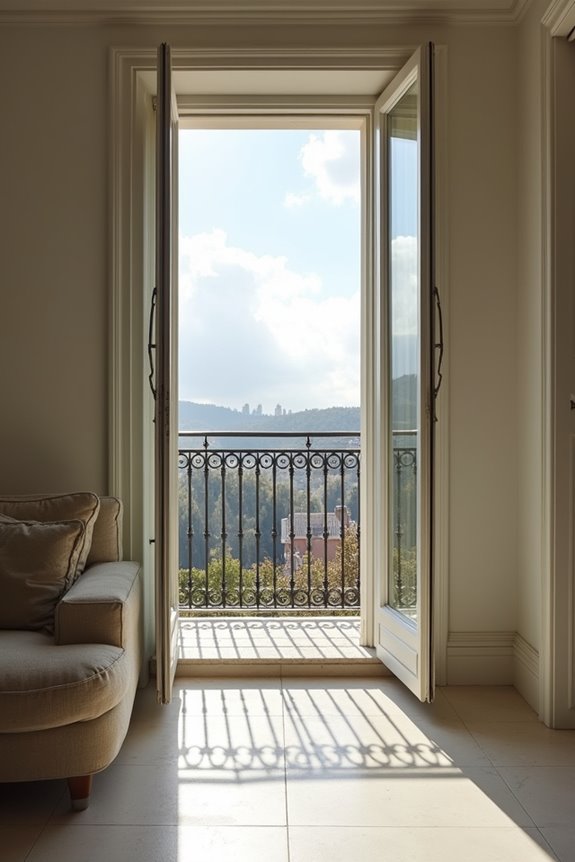
Once you’ve selected your Juliet balcony design, planning the installation phase determines whether your project succeeds. Your next steps involve coordinating permits, costs, and professional expertise.
Once you’ve selected your Juliet balcony design, planning the installation phase determines whether your project succeeds.
- Check permit requirements with your local authority, especially if your property sits in a conservation zone or is listed
- Obtain quotes from experienced installers who understand Juliet balcony installation and structural integration
- Budget for materials and labor, noting that costs remain lower than traditional balconies
- Schedule the installation when your contractor can complete proper framework and railing safety work
An experienced installer creates secure integration with your building’s structure. The railings function correctly because they’re properly anchored and sized for your window opening. You’ll move forward with confidence knowing permits are approved and installation meets safety standards.