

An extra bedroom typically boosts your home’s value by roughly 15%—translating to $30,000–$60,000 depending on your market. To maximize returns, you’ll need to qualify the space properly: install a window for natural light and emergency egress, add a closet, and meet local building codes.
Location matters significantly; suburban family markets reward larger homes more than dense urban areas. Match your addition’s materials and design to existing architecture, prioritize energy efficiency, and compare recent sales nearby to confirm alignment with neighborhood standards. Understanding which addition type fits your budget and market provides the full financial potential of your project.
What Qualifies as a Bedroom That Buyers Will Value?

What separates a genuine bedroom from a converted closet or bonus room in the eyes of buyers? Your bedroom must meet specific bedroom standards that define market value. You’ll need a window for natural light and egress requirements during emergencies. A proper door, closet, and adequate square footage around 70–80 square feet creates functional living space.
The window does more than brighten your room because it satisfies code compliance and fire safety regulations. Your closet defines storage capability, which buyers expect as standard. Meeting permits and local building codes establishes spaces as legitimate bedrooms rather than questionable add-ons. Basement rooms with limited headroom or poor natural light struggle with appraisal value. You maximize bedroom quality by confirming every element—window placement, door swing, closet depth—follows established guidelines that buyers recognize and accept.
How Much Value Does an Extra Bedroom Add to Your Home?
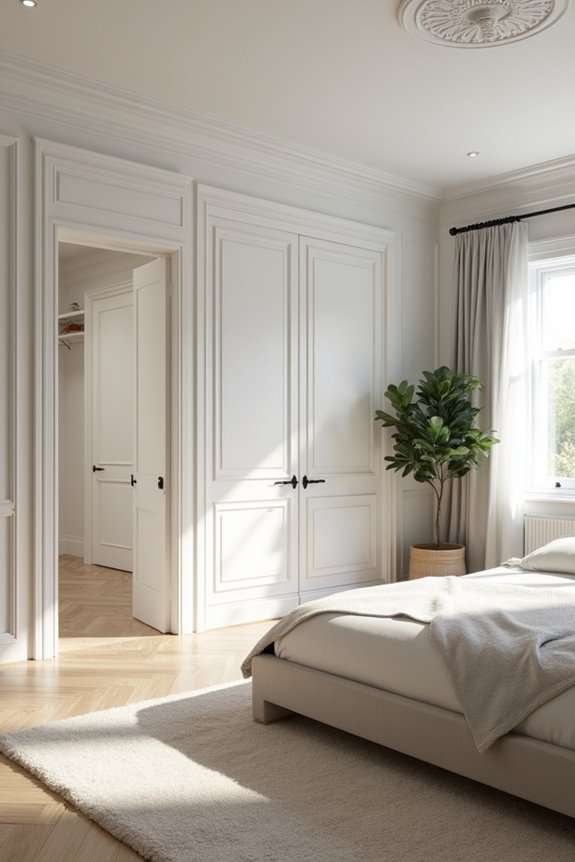
Once you’ve confirmed your bedroom meets buyer standards, the financial payoff becomes your next consideration. An added bedroom typically boosts your home value by approximately 15% across most U.S. markets. Your return on investment ranges from $30,000 to $60,000, depending on location impact and construction quality.
Market demand heavily influences your resale value gains. Converting a 3-bedroom to 4-bedroom often yields greater appreciation than upgrading from 2 to 3 bedrooms. In dense markets like Bergen County, modest square footage increases create disproportionately large value jumps.
The cost to add a room varies considerably by region and materials used. Your multipurpose space design also affects buyer appeal. Properties offering flexible layouts command stronger market demand, directly defining your bedroom addition’s ultimate financial return.
How Location and Market Demand Shape Your Potential Gain
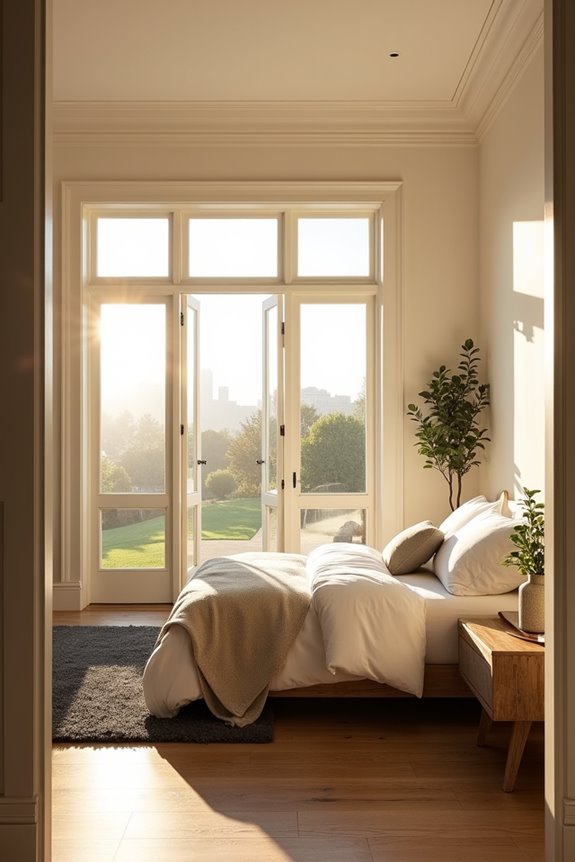
Your home’s location fundamentally shapes how much value an extra bedroom adds. In suburban family markets like Bergen County, you’ll see stronger gains because demand for larger homes outpaces urban areas where space constraints limit bedroom appeal. Comparing your property to similar homes in your neighborhood reveals what buyers actually prioritize, defining whether your bedroom addition will command the 15% value increase or fall short.
Market Demand Variations
How much value you’ll gain from adding a bedroom depends largely on where your home sits and what buyers in your area actually want. In densely populated areas, extra space commands premium returns because families and multigenerational households actively compete for homes. Your local market defines whether bedroom additions justify the investment.
Buyer preferences shift by neighborhood. Dense urban markets see stronger value increases than suburban areas with abundant existing inventory. The resale impact reflects what families prioritize in your region.
Market demand variations create distinct opportunities. A fourth bedroom attracts remote workers and extended families seeking workspace. These expanded buyer pools accelerate offers and negotiations, directly influencing your return on investment.
Understanding neighborhood norms prevents overbuilding. Misaligned additions relative to surrounding homes limit price recovery. Local market research guides whether your bedroom addition aligns with current buyer preferences.
Neighborhood Comparable Analysis
What’s the real value of that extra bedroom in your specific neighborhood? Your local comparables—the three-bedroom homes recently sold near you—define your potential resale value gain. In density markets like Bergen County, neighborhood norms heavily favor larger homes, creating disproportionate value bumps. Study your local comps carefully. If surrounding properties average $45 per square foot, and comparable three-bedroom homes command 15% premiums, you’ll recoup your investment more reliably. The market demand in your area shapes everything. Over-improving beyond neighborhood standards reduces recoupment. Your three-bedroom profile attracts more buyers when it aligns with local expectations. Compare recent sales within a half-mile radius. This analysis reveals whether your bedroom addition matches market demand or exceeds it, determining your actual financial return.
Budget Reality: What a Bedroom Addition Actually Costs

Before you commit to a bedroom addition, understanding the true cost matters. Bedroom addition costs typically range from $20,000 to $50,000, depending on materials and room size. Converting existing spaces like bonus rooms costs as low as $2,800, while unfinished basement or attic conversions reach $34,000. Garage conversions remain cheaper than second-story additions, which cost significantly more.
You’ll need permits and professional fees—architects, designers, and contractors—for compliance. These add considerably to your budget. Obtain multiple contractor quotes to compare pricing and understand what you’re paying for. Add 10–20% contingency budgeting for surprises during construction.
Consider conversion versus new build carefully. Each approach defines different cost structures. Understanding these numbers upfront prevents financial strain later.
Which Addition Types Deliver the Strongest ROI?
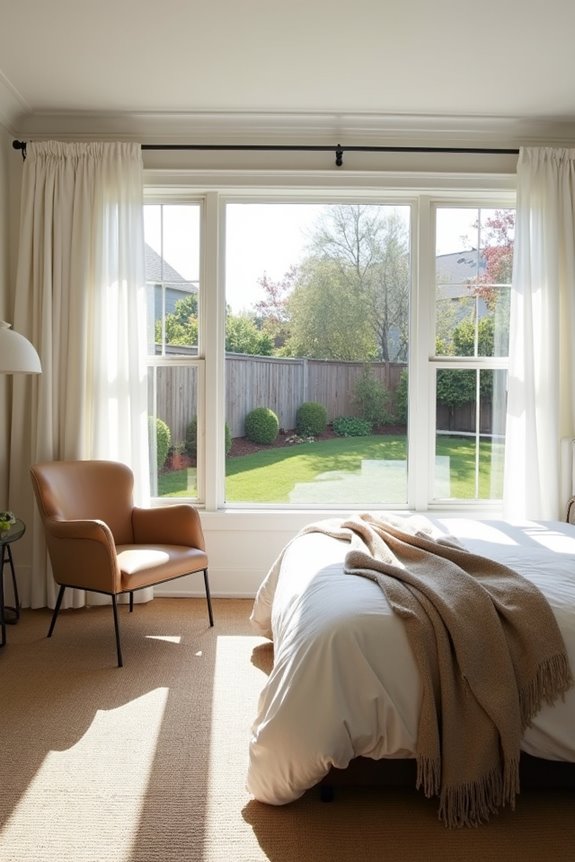
When you’re weighing conversion versus full extension, the numbers tell a different story. Attic conversions cost £5,000–£15,000 but recoup smaller gains, while full extensions range £20,000–£50,000 with higher perceived value. Your ROI depends on which path matches your market and budget.
Consider these factors:
- Attic conversion ROI recovers roughly 50–60% of investment through lower upfront costs
- Full extension ROI reaches 60–80% when it adds significant square footage
- Quality finishes and natural light define whether buyers value the space
- Design cohesion matching your home’s style creates stronger market appeal
The strongest returns come from well-integrated additions with excellent natural light, abundant storage, and finishes reflecting local price per square foot. Market demand for bedrooms varies regionally, so research your area’s preferences before deciding. High-quality work produces measurable home value increase across both conversion and extension approaches.
From Planning to Completion: Maximizing Your Return
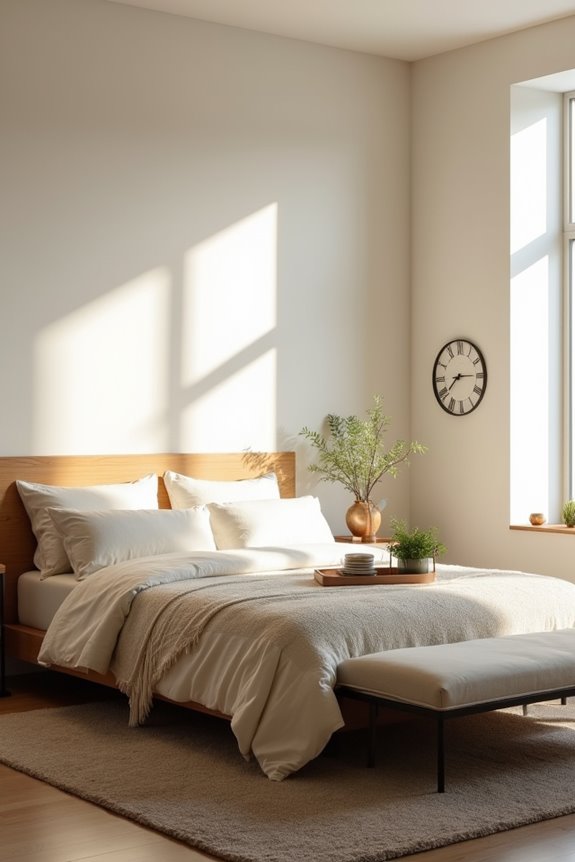
You’ll maximize your return by planning strategically before breaking ground and executing with quality throughout construction. Strategic planning means choosing materials, layouts, and finishes that match neighborhood standards rather than exceed them, which prevents over-improvement that limits resale appeal. Quality execution—from securing proper permits to installing quality windows and maintaining seamless integration with existing home systems—creates the polished, buyer-ready space that justifies your investment.
Strategic Planning Essentials
What separates a bedroom addition that pays for itself from one that drains your budget? Strategic planning before construction begins.
Start by confirming local codes, permits, and design quality that matches your neighborhood. This foundation prevents costly mistakes later.
- Research your market’s price per square foot to determine whether an attic or basement conversion delivers better ROI than a full extension.
- Obtain multiple contractor quotes and add a 10–20% budget contingency for surprises.
- Prioritize natural light, adequate closet storage, and ventilation to maximize market appeal.
- Create a detailed project timeline sequencing planning, approvals, permitting, and inspections.
This approach defines your addition’s success. Space planning that incorporates these elements creates homes buyers actually want. Your strategic foundation converts a renovation from financial risk into a measurable investment return.
Quality Execution Strategies
How you build matters as much as what you build. Your bedroom addition’s ROI depends on execution quality. Secure all permits and maintain code compliance before breaking ground—appraisers scrutinize legality and safety extensively. Design cohesion prevents your addition from feeling disconnected; match existing materials, color palettes, and architectural details throughout. Natural light maximizes appeal, so prioritize large windows or skylights. Storage solutions define functionality and marketability. Energy efficiency reduces long-term costs, attracting conscious buyers. Proper ventilation prevents moisture damage and mold. Layout optimization preserves home flow, avoiding awkward transitions between spaces. The addition serves its purpose through thoughtful construction choices that create seamless integration. Get multiple contractor quotes and plan a 10–20% contingency budget. Alignment with neighborhood standards safeguards your investment and resale potential.