
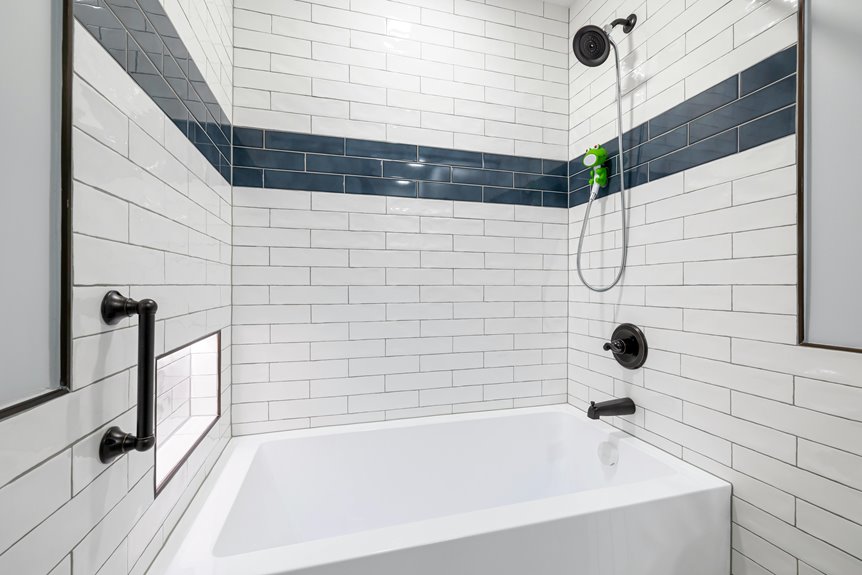
You’ll need a permit if your bathroom project involves plumbing, electrical, or structural changes. Moving fixtures like toilets or sinks requires permits because they create new demands on your home’s systems.
Painting, replacing vanities in existing locations, and swapping fixtures don’t need permits.
Local building codes define what work requires approval, and skipping permits risks fines and insurance claim denials. Understanding your project’s scope helps you determine permit necessity before starting.
Does Your Bathroom Project Need a Permit?
When you’re planning a bathroom renovation, the first question you’ll likely ask is whether you’ll need a permit.
The answer depends on your project’s scope. Cosmetic updates like painting or replacing fixtures don’t require permits. However, substantial work involving plumbing, electrical, or structural changes does. Moving your toilet, sink, or shower creates new demands on your home’s systems, necessitating a permit. Adding new outlets for lighting or ventilation also requires one.
Local building codes define what’s permissible in your area. These codes exist because they protect your home’s safety and value. Licensed contractors understand permit requirements and can guide you through the process. They’ll handle documentation and verify compliance, giving you confidence that your bathroom remodel meets all standards.
What Types of Work Always Require Permits

Now that you understand the basics of permit requirements, it’s helpful to know exactly which bathroom projects demand one. Several work types always require building permits because they directly affect your home’s safety and structure.
| Work Type | Why It Requires a Permit | Impact |
|---|---|---|
| Plumbing changes | Moving or adding fixture lines | Affects water systems |
| Electrical work | Installing new outlets or lighting | Creates safety concerns |
| Structural changes | Relocating load-bearing walls | Defines home stability |
| New bathrooms | Adding where none existed | Expands footprint significantly |
When you install new showers, tubs, or ventilation systems, you’re triggering permit requirements. These bathroom renovation projects demand inspections because they involve critical home systems. The work requires oversight because improper installation creates health and safety hazards. Understanding which projects need permits protects both your investment and your family’s wellbeing.
Bathroom Updates That Don’t Need Permits
Which bathroom improvements can you tackle without waiting for inspector approval?
You can complete several cosmetic updates that don’t require permits. These temporary changes let you refresh your space quickly while staying compliant with local code requirements.
- Paint walls and cabinets without triggering inspections or permit needs
- Replace vanities and toilets in existing locations without moving plumbing lines
- Install new flooring over current subfloors and swap mirrors or light fixtures without rewiring
Cosmetic bathroom remodeling focuses on surface-level changes that leave structural, electrical, and plumbing systems untouched. Paint updates work because they modify surfaces without affecting building systems. Replacing fixtures in their original spots creates minimal disruption to existing infrastructure.
However, verify your local code first. Some jurisdictions require permits for even minor cosmetic updates affecting fixtures or accessibility standards.
How to Apply for a Bathroom Permit: And How Long It Takes
You’ll submit detailed plumbing and electrical specifications through your local Planning or Building Department, which creates a clear record of your project scope and safety compliance. The review process typically takes five to ten business days, and your approved permit remains valid for six months, defining your timeline for completing the renovation work. You may need a Registered Design Professional to prepare layouts that meet local codes, especially if your project involves fixture relocation or structural changes.
Application Submission Requirements
To get your bathroom renovation approved, you’ll need to submit detailed plans and documentation to your local Planning Department at 232 North Queen Street.
Your permit application requires:
- Detailed bathroom layout drawings showing fixture locations, plumbing lines, and electrical work specifications
- Code compliance documentation that meets local plumbing and electrical standards for your project scope
- Contractor information if you’re hiring a licensed contractor to manage the work
These documents define what work you’re doing and where. The planning department reviews submissions within 5–10 business days. Your licensed contractor handles obtaining plans and coordinating inspections at various renovation stages, which creates smoother approval processes.
The permit application process confirms inspections happen at critical points. This protects your home’s safety and property value. Complete paperwork prevents delays and keeps your project moving forward efficiently.
Timeline And Approval Process
Once you’ve submitted your application with detailed plans and documentation, the review process begins. Your local building department typically completes initial reviews within 5–10 business days. This timeline defines when inspectors schedule your first site visit.
The permit approval process generally takes 2–6 months for standard bathroom renovations. Layout changes extend this timeframe considerably. If you’ve hired a Registered Design Professional as Applicant of Record, expect additional processing delays.
Your approved permit remains valid for six months after issuance. During this period, inspections occur at multiple renovation stages—rough plumbing, electrical work, and final completion. The building department creates checkpoints throughout your project to verify code compliance.
Planning ahead around these timelines keeps your renovation moving forward smoothly.
Permit Costs, Inspections, and Fines for Skipping Them
What happens when you skip the permit process for your bathroom renovation? You expose yourself to serious consequences that affect your home’s value and your finances.
Key risks you face:
- Local municipalities impose substantial fines and retroactive permit fees if inspectors discover unpermitted work during evaluations or home sales
- Insurance companies may deny damage claims because your installation doesn’t meet code requirements
- Future buyers and lenders will reject your home without proper inspection documentation
Permit costs represent a small investment compared to fines. The inspection process protects you because it verifies safety compliance. Your unpermitted work creates liability issues that determine whether financing approval happens during resale.
The bathroom renovation affects your home’s marketability because inspections confirm code adherence. Skipping permits today costs you significantly tomorrow.
Contractors Who Handle Bathroom Permits

You’ll want a licensed contractor who manages permits because they understand local building codes and inspection requirements. They coordinate with plumbing and electrical subcontractors, prepare detailed plans for permit submissions, and guide you through the approval process. Finding a qualified local professional who handles this paperwork removes the burden from your shoulders and protects your renovation investment.
Licensed Contractor Responsibilities
Because bathroom renovations involve plumbing and electrical work, hiring a licensed contractor becomes necessary for managing permits correctly. You’ll want someone who understands local building codes and inspection schedules thoroughly.
A licensed contractor handles several critical responsibilities:
- Verifies licensing and insurance while checking references to confirm their familiarity with the permit process
- Provides written estimates and contracts that clearly define timelines, scope of work, and alignment with permit requirements
- Documents all plumbing and electrical changes, floor plans, and material specifications needed for permit applications
The contractor acts as your guide because they’ve navigated these requirements before. They verify your bathroom renovation complies with local standards. This approach protects your investment and prevents costly delays. You’ll gain peace of mind knowing someone qualified manages the complexity.
Permit Management and Coordination
Once you’ve selected a qualified contractor, their role shifts to managing the permit process itself. Your contractor creates detailed floor plans and specifications for electrical and plumbing modifications. They submit these documents to your local building department for approval.
Your contractor coordinates with inspectors throughout your project. Inspections occur at specific renovation stages—after framing, before drywall, and after fixture installation. The contractor schedules these inspections to keep your permit valid.
They also verify that all trades maintain proper licensing and insurance. Your contractor obtains written estimates and defines clear timelines for each phase. This coordination prevents costly delays and maintains compliance with building codes. Planning ahead with your contractor helps inspections happen on schedule, protecting your investment throughout the renovation.
Finding Qualified Local Professionals
How do you identify a contractor who’ll handle permits correctly?
A qualified professional manages the entire bathroom permit process from start to finish. They understand local permit requirements and coordinate all necessary inspections with building departments.
Look for contractors who demonstrate these qualities:
- Verify current licensing, insurance documentation, and familiarity with your area’s specific codes
- Provide written estimates, clear timelines, and detailed plans for plumbing and electrical work
- File permits themselves and supply material specs, electrical diagrams, and documentation for applications
The licensed contractor does this groundwork because it protects both you and your project. Qualified professionals handle moving fixtures, adding new plumbing, or installing outlets—work requiring permits. They create solutions that meet local standards while defining realistic project timelines.
Services like Sweeten connect you with vetted professionals who manage permits and provide ongoing support at no cost to homeowners.