
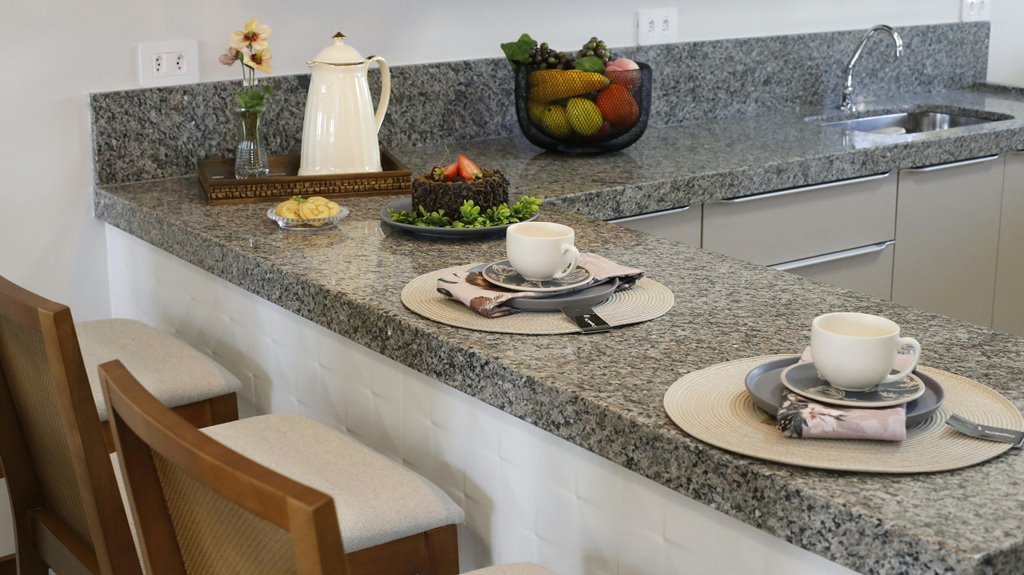
You’ll want 3 centimeters for your granite kitchen counter because it creates the ideal balance between durability and practicality. This thickness resists cracking under daily use, allows flexible edge profiles like bullnose and ogee, and minimizes reinforcement needs during installation. While 2 centimeters costs less upfront, it requires plywood backing for overhangs and limits your design options. Your cabinets will handle 3 centimeters without strain. Understanding how thickness directly affects your edge choices and long-term performance reveals why this standard remains the practical choice.
Standard Granite Thicknesses for Kitchen Countertops
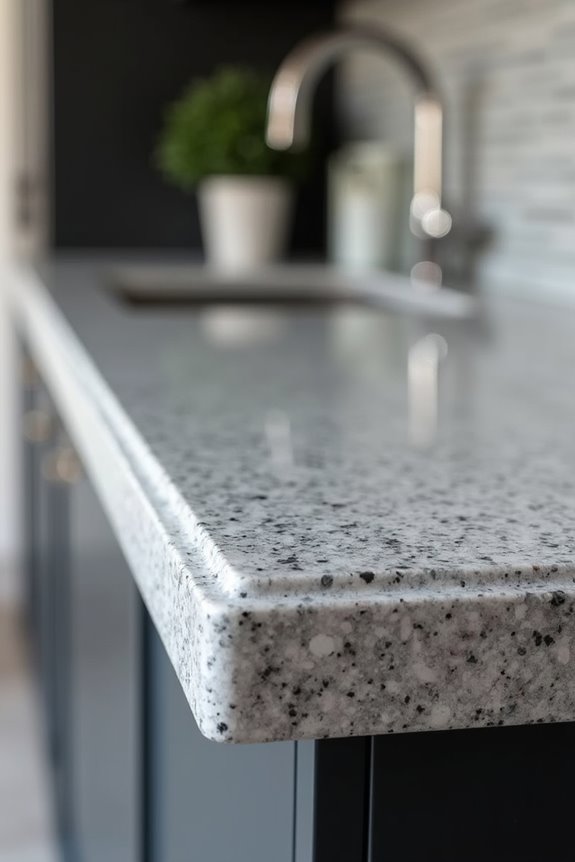
How thick should your granite countertop actually be? You’ll typically find three standard granite countertop thickness options for kitchens. The 3 cm granite slab represents the industry standard, offering excellent durability and versatile granite edge profiles. This standard granite thickness works well for most installations without requiring extra support systems.
The 2 cm granite option costs less but demands plywood backing or countertop reinforcement for overhangs. This thinner material needs additional support because unsupported spans create cracking risks. Kitchen countertop thickness at 2 cm requires careful planning, especially where overhang support matters most.
The 4 cm granite choice creates a premium, bold appearance. You’ll see this kitchen countertop thickness on islands and statement surfaces. The thicker material reduces reinforcement needs entirely. Each thickness option defines different budgets and design visions for your space.
Why 3cm Wins: Durability, Edge Flexibility, and Installation Ease
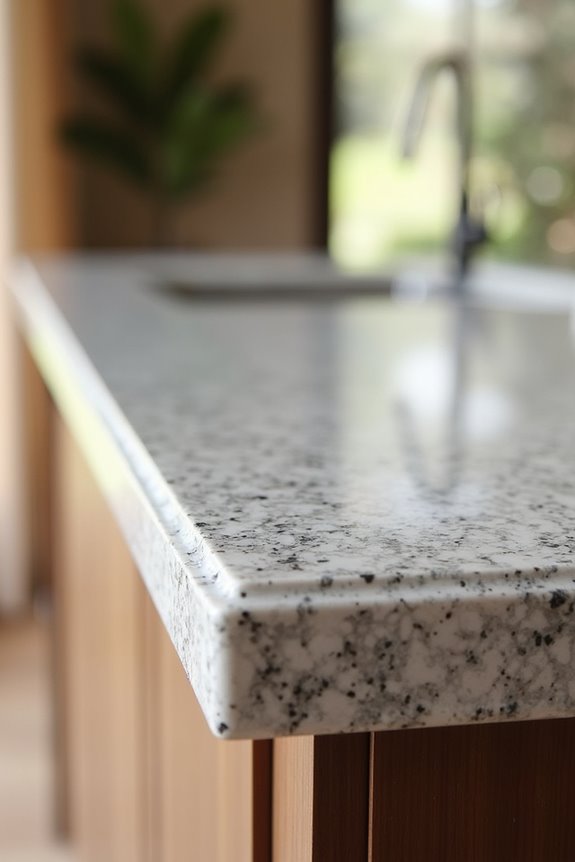
While 2 cm granite demands reinforcement and 4 cm adds unnecessary weight, the 3 cm thickness strikes the practical balance most kitchens need. You’ll find this countertop thickness creates an effective solution for high-traffic spaces without complicated installation requirements.
- Durability advantage: 3 cm granite resists cracking and sagging in your kitchen, even under heavy daily use, because the additional material provides substantial structural integrity.
- Edge profile flexibility: You can choose from bullnose, ogee, or beveled edges that define your kitchen’s aesthetic while maintaining the strength your countertops require.
- Simplified installation: This thickness requires minimal reinforcement compared to thinner slabs, which streamlines your project timeline and reduces installation complexity.
The 3 cm granite countertop thickness delivers the durability, design flexibility, and installation practicality that aligns with what most homeowners and installers seek in reliable kitchen solutions.
When 2cm Makes Sense (And What You Sacrifice)
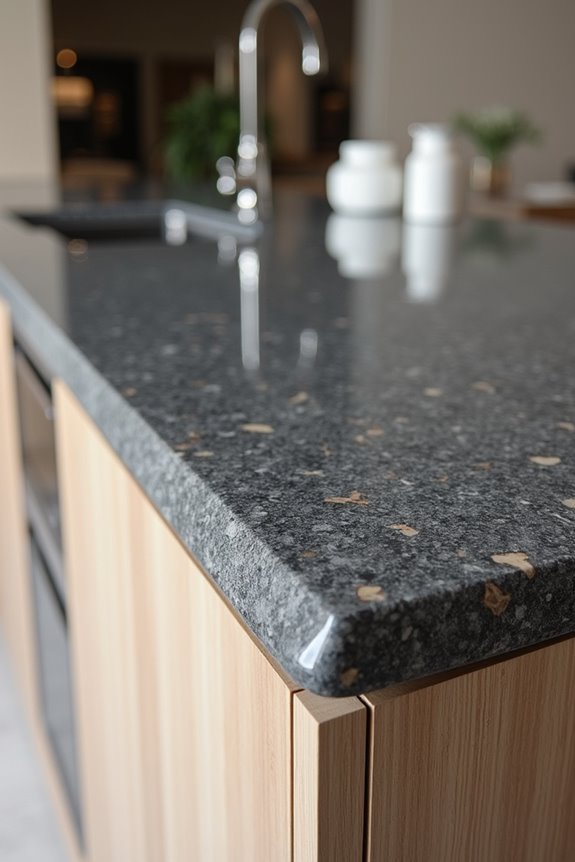
You’ll find 2cm granite works best when budget matters more than heavy kitchen use. The thinner slab creates a modern, sleek profile, but it demands plywood backing and reinforcement to prevent sagging over time. You’re trading durability and edge design flexibility for lower material costs, making this thickness ideal for light-use vanities rather than primary cooking surfaces.
Budget-Friendly Kitchen Option
When budget constraints matter most, a 2 cm granite countertop creates real savings without completely abandoning quality. You’ll reduce both material and labor costs significantly compared to thicker options. However, this granite thickness requires strategic planning to maintain longevity.
Consider these essential factors:
- Overhang support – Install plywood backing beneath any countertop extending beyond cabinets to prevent sagging and structural failure.
- Reinforcement requirements – Strengthen edges with laminated or built-up details that enhance both durability and visual thickness without added expense.
- Installation precision – Proper support during installation determines whether your 2 cm countertop performs reliably for years or develops edge problems quickly.
The lightweight nature does reduce installation complexity. Edge profiles remain limited unless you invest in reinforcement. This budget-friendly approach works well in moderate-use kitchens with careful planning and appropriate support systems.
Support Requirements And Trade-Offs
Because 2 cm granite lacks the inherent strength of thicker slabs, proper support systems become necessary rather than optional upgrades. You’ll need plywood backing or metal sub-top supports to prevent sagging under overhangs. The lighter countertop thickness creates installation challenges that demand careful planning and additional labor costs. Your overhang limits shrink to around 6–8 inches for standard cabinets, compared to longer spans possible with 3 cm granite. The trade-offs define your budget: you save money and weight initially, but you sacrifice durability in high-traffic kitchen areas. This countertop thickness works best when you commit to reinforcement and accept reduced structural strength. The sleek, minimalist aesthetic appeals to many homeowners, yet you’re investing in more complex installation rather than material itself.
Aesthetic Versus Practical Durability
How do you balance a countertop’s visual appeal against its real-world durability? A 2 cm granite thickness creates that sleek, modern aesthetic you’re drawn to. Yet you’re sacrificing substantial structural support in the process.
Consider these practical trade-offs:
- Edge profiles remain limited unless laminated or built up, restricting your kitchen design flexibility and visual interest.
- Reinforcement becomes mandatory over overhangs, adding installation complexity and material cost that offsets initial savings.
- High-use spaces demand constant caution; cracking risks increase without proper overhang support and structural backing.
The granite thickness you choose defines whether your countertop delivers longevity or requires constant reinforcement. Thinner slabs prioritize appearance while demanding plywood backing and brackets. Your kitchen’s actual demands should drive this decision, not design trends alone.
Will Your Cabinets Support 3cm? Installation and Reinforcement Basics
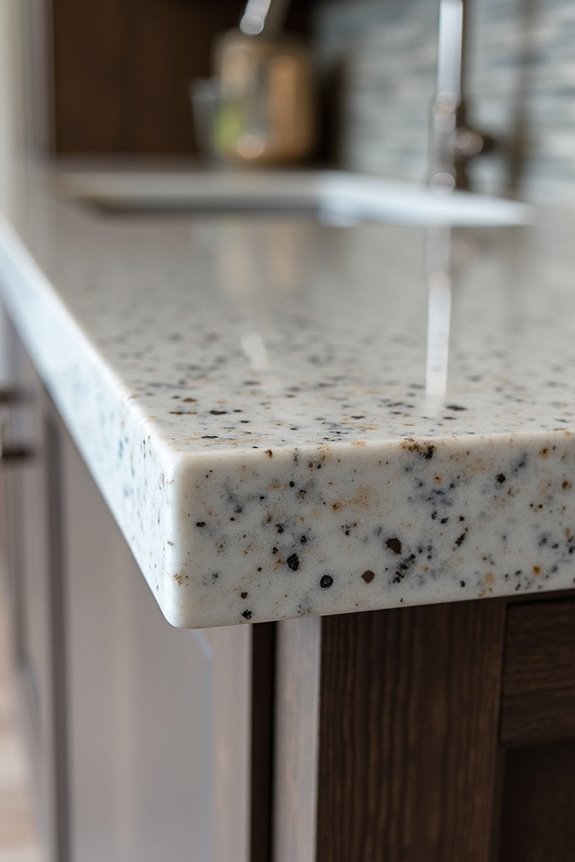
Your cabinets must handle the weight that 3cm granite creates during installation. Heavier countertops transfer significant load bearing demands to your cabinet structure, making professional assessment necessary before proceeding. Older or lighter cabinets often require reinforcement to safely support this countertop weight.
The cabinet support system does determine installation success because inadequate framing causes sagging and cracking. You’ll want contractors to evaluate your existing cabinetry and add plywood backing or steel support beams if necessary. This reinforcement prevents long-term damage and maintains stability.
3 cm granite’s thicker edge profiles—bullnose, ogee, or beveled designs—define your counter’s durability. These edges resist chipping better than thinner alternatives. Island and high-traffic kitchen areas benefit most from this substantial appearance and protection.
Verify your cabinet’s load capacity now. Professional assessment costs less than cabinet replacement later.
Does Thicker Really Mean Stronger? A Durability Breakdown
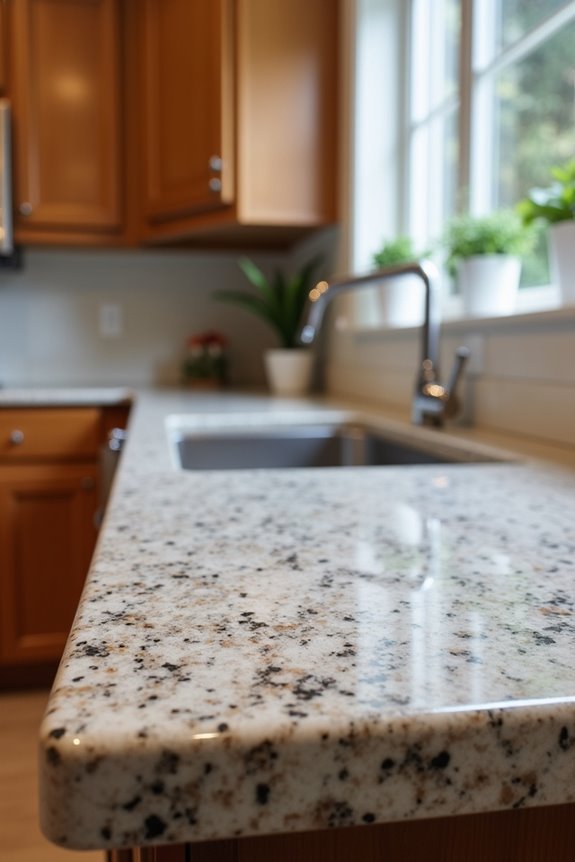
Once you’ve confirmed your cabinets can handle the weight, the next question becomes whether thickness actually improves your counter’s performance. The answer is yes, and here’s why:
- 3 cm and 4 cm slabs create superior crack resistance compared to thinner 2 cm options because added material absorbs impact stress better during heavy daily use.
- 2 cm slabs demand reinforcement like plywood backing to prevent sagging, while 3 cm slabs typically require less support, reducing installation costs and complexity.
- Thicker granite provides durability in high-traffic kitchens where heat exposure and repeated impacts stress your countertop regularly.
The durability advantage becomes most pronounced when you cook frequently. Your 3 cm or 4 cm granite thickness handles overhang support without reinforcement, while cabinet support remains straightforward. Thinner slabs sacrifice performance for lighter weight alone.
Granite Edge Profiles: What Your Thickness Actually Allows
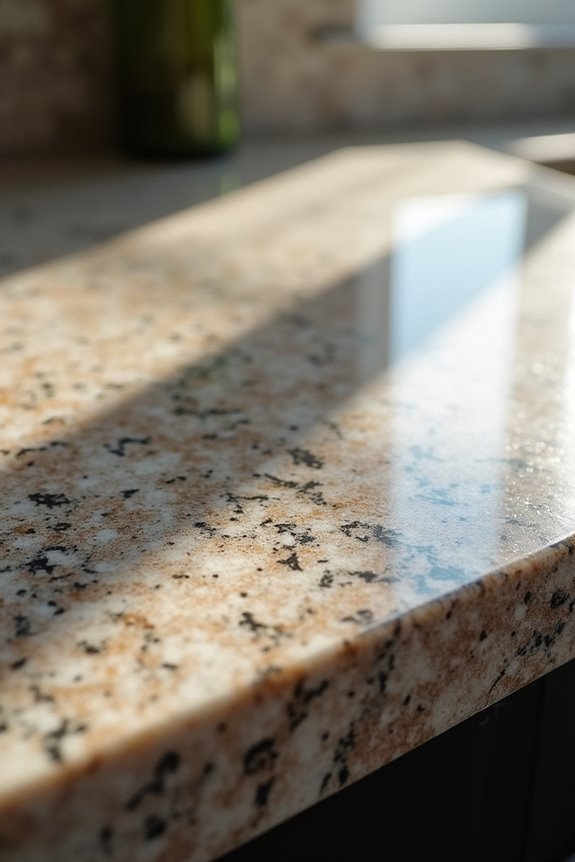
What you choose for your granite’s edge does more than frame your countertop—it defines both aesthetics and functionality based on your slab’s thickness. A 3 cm granite countertop creates more versatile edge options without requiring reinforcement. You can confidently select bullnose, ogee, or beveled edges that enhance visual appeal.
With 4 cm granite, you have access to bolder profiles. A miter edge creates the illusion of additional depth, while laminated edges boost perceived thickness on thinner slabs.
Two-centimeter granite limits your choices. You’ll likely need edge reinforcement for certain profiles, restricting design flexibility. The miter edge compensates by simulating greater mass, though options remain constrained.
Thicker slabs deliver more robust, aesthetically balanced edges. Your thickness choice directly determines which edge profiles work practically and beautifully in your kitchen space.
2cm vs. 3cm: The Budget Reality
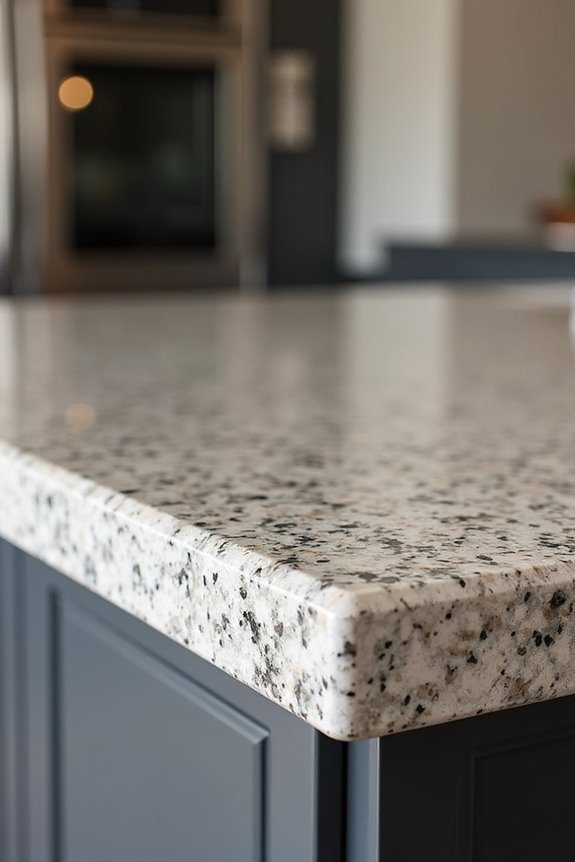
1) 2 cm granite costs less upfront and works well for backsplashes or bathroom vanities, but requires plywood backing or metal supports for overhangs.
2) 3 cm granite serves as the kitchen standard, offering strong durability without extra reinforcement needs, creating stability across large surfaces.
3) Installation cost differs significantly—3 cm slabs run 30–35% more expensive due to thicker material and labor considerations.
The 3 cm granite provides a substantial appearance and offers more edge profile options like bullnose or ogee. The 2 cm option meets budget requirements when reinforcement underlayment is planned. Weight and support requirements differ between thicknesses, so your countertop thickness choice reflects your kitchen’s specific needs and financial situation.