

A backyard breeder prioritizes profit over your dog’s health and wellbeing. You’ll spot one by noticing they ask nothing about your home or experience, skip health clearances on parent dogs, and pressure you into quick sales without kennel visits. They offer puppies year-round with no waiting list, refuse to provide references or health records, and disappear after you pay.
Responsible breeders do the opposite—they screen buyers carefully, document everything, and stay available for support.
What Defines a Backyard Breeder
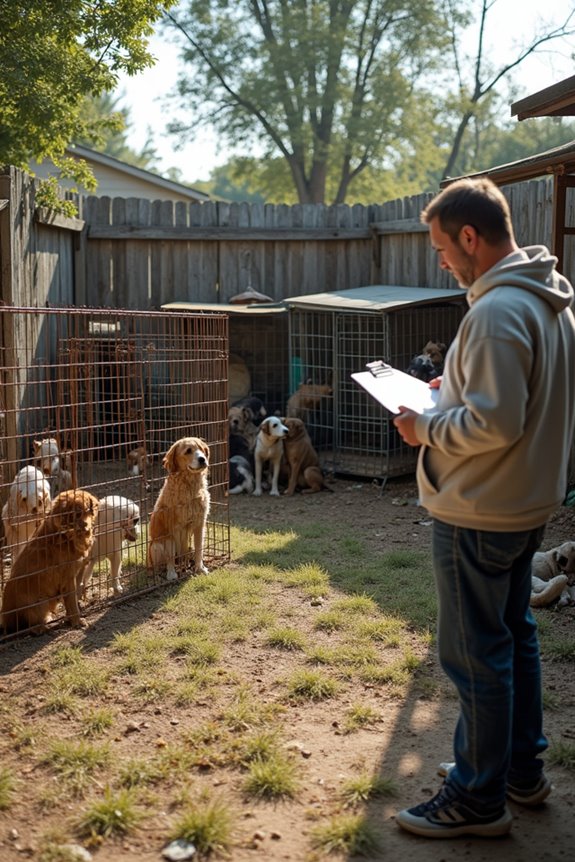
Backyard breeders prioritize profit over the health and wellbeing of their dogs. You’ll find that backyard breeders operate without the accountability and transparency that responsible breeding requires. They produce litters year-round without waiting lists, creating constant inventory rather than planned breeding. The absence of health clearances defines their approach—they skip the two-generation documentation that protects puppies from genetic diseases. You won’t find prescreening of parent dogs because thorough vetting costs time and money. These breeders avoid buyer screening, pushing for quick sales instead of matching puppies with suitable homes. The lack of post-sale support means you’re on your own after purchase. This irresponsible model contributes directly to shelter overcrowding and overpopulation. Understanding these defining characteristics helps you recognize and avoid backyard breeders when searching for a puppy.
How Backyard Breeders Contribute to Shelter Overcrowding and Health Problems
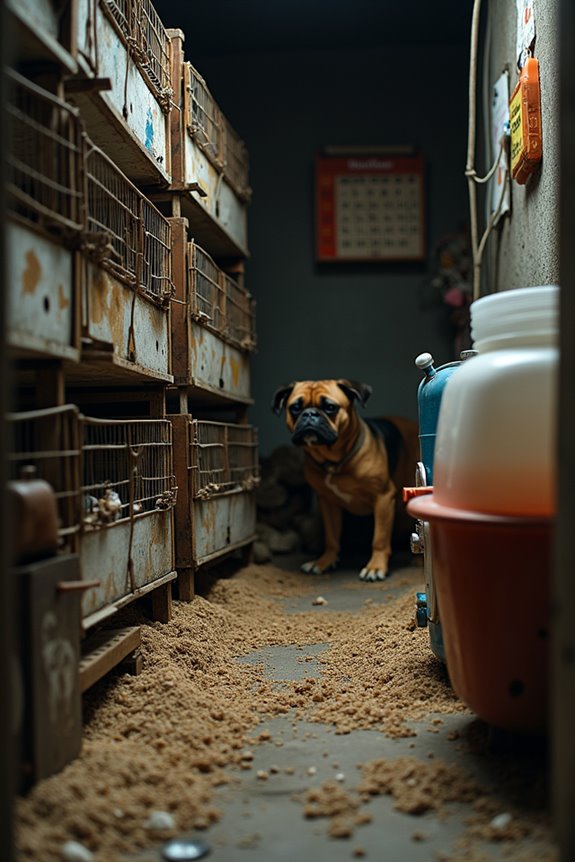
The irresponsible breeding practices you’ve learned about create far-reaching consequences beyond individual puppy buyers. When backyard breeders produce litters without securing homes first, they flood shelters with unwanted dogs. You’ll find these facilities overwhelmed and under-resourced because of this constant influx.
| Problem | Shelter Impact |
|---|---|
| Infectious diseases | Increased treatment costs |
| Behavioral issues | Higher return rates |
| Parasite infestations | Extended care periods |
| Stressed breeding mothers | Additional rehabilitation needs |
The cycle worsens when breeders discard mothers after litters, sending stressed or ill dogs into shelters rather than providing ongoing care. Poor breeding practices create behavioral problems through inadequate socialization. These factors combined strain resources significantly, reducing overall welfare for all animals shelters serve.
Avoiding Backyard Breeders: Where to Find Ethical Alternatives
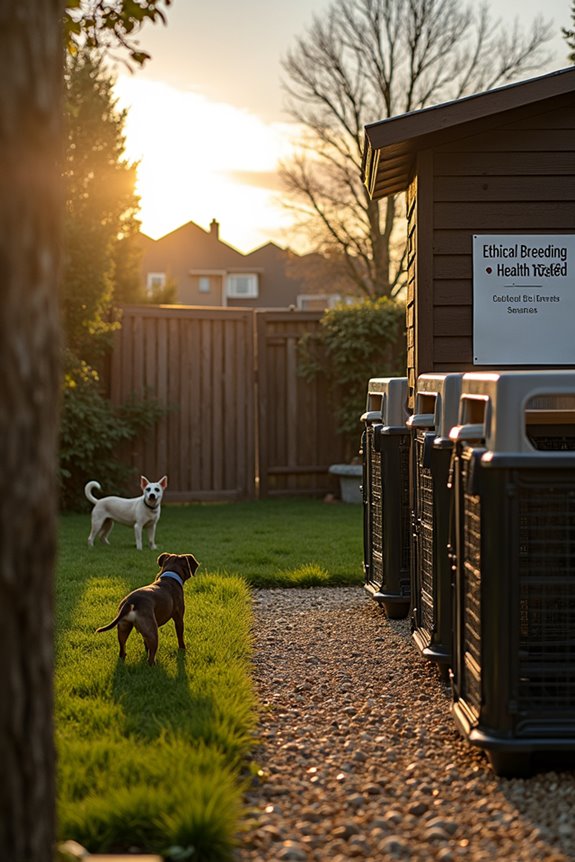
How can you find a responsible breeder instead of supporting irresponsible practices? Start by adopting from shelters or reputable rescues like Pets for Life or PAWS Chicago. These organizations create pathways that reduce demand for backyard breeders entirely.
If you choose a breeder, verify their transparency. Responsible breeders require adopter questionnaires and explain breed-specific health concerns. They show you the puppy’s parents, provide written health clearances spanning two generations, and demonstrate proper socialization practices.
The breeder’s waiting list indicates genuine care, not profit-driven mass production. Conversely, backyard breeders sell year-round without waiting lists, ship puppies, and avoid showing kennels or health records.
Demand references from past clients. Request documented screening processes. These requirements define ethical breeding. They establish accountability standards that backyard breeders deliberately circumvent.
What Backyard Breeders Don’t Know About Breed Health
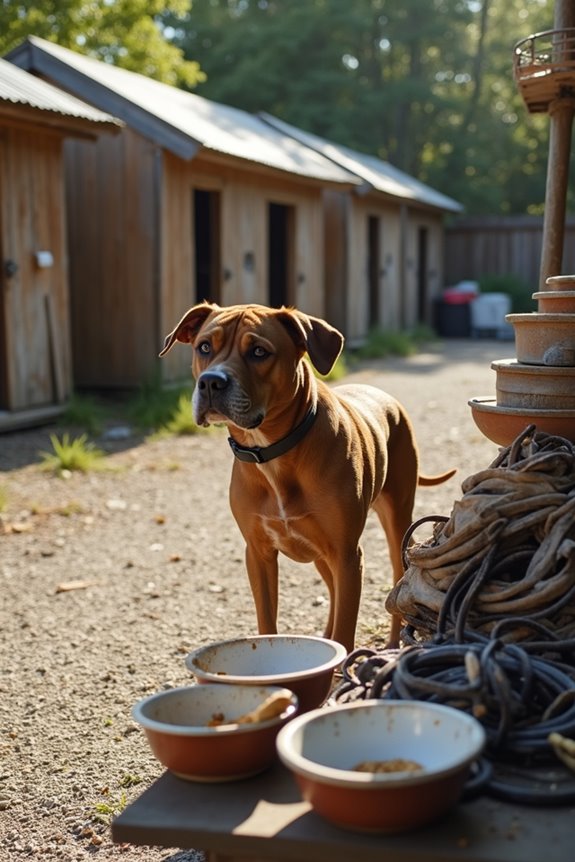
When you ask a breeder about hip dysplasia, elbow problems, or heart conditions, their answer reveals how much they actually know. Red flags emerge quickly when breeders can’t discuss these breed-linked issues in detail or cite credible health sources.
Responsible breeders understand screening protocols and age-related health concerns specific to their breed. They create transparency by sharing veterinary records and health certifications. Backyard breeders often provide vague statements instead of evidence-based insights.
Notice these warning signs:
- They can’t explain screening tests required for their breed
- They misrepresent typical temperament traits without understanding breed standards
- They offer general care advice rather than breed-specific guidance
When breeders lack depth about health conditions, you’re identifying someone without genuine expertise. This gap defines whether you’re choosing a responsible source or risking inherited health problems.
Red Flag: Backyard Breeders Ask Nothing About Your Home or Experience
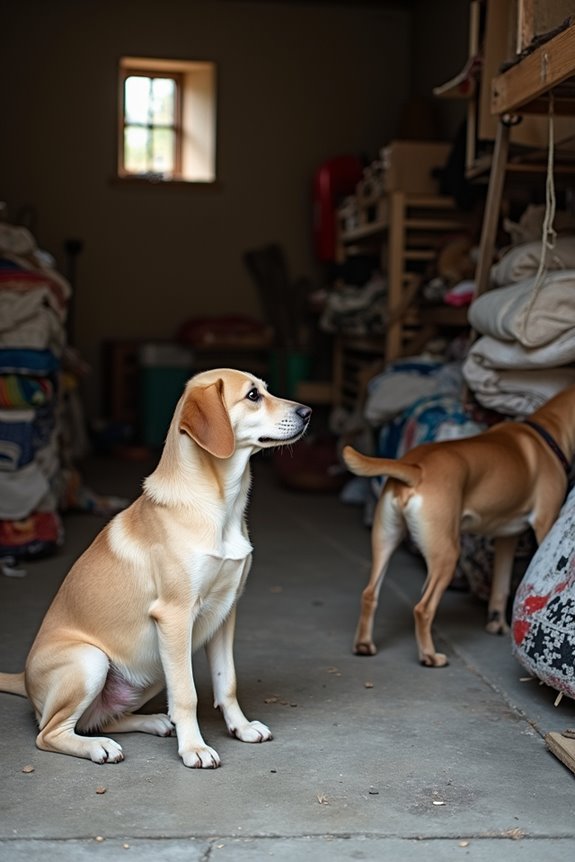
If a breeder shows little interest in where you’ll raise their puppy, that’s a significant warning sign. Responsible breeders ask detailed questions about your yard space, living conditions, and prior dog experience. They want to understand your lifestyle before placing a puppy in your home.
Backyard breeders skip these conversations entirely. They’re focused on quick sales rather than long-term welfare. This silence creates problems. Without knowing your situation, breeders can’t assess whether their breed matches your needs. They can’t verify you’re prepared for the commitment ahead.
The absence of questions also defines their approach: profit-driven rather than animal-focused. You won’t learn about their health testing or socialization practices because they’re not invested in your success. When a breeder doesn’t ask about you, they’re signaling misaligned priorities.
They Won’t Let You Meet the Parents
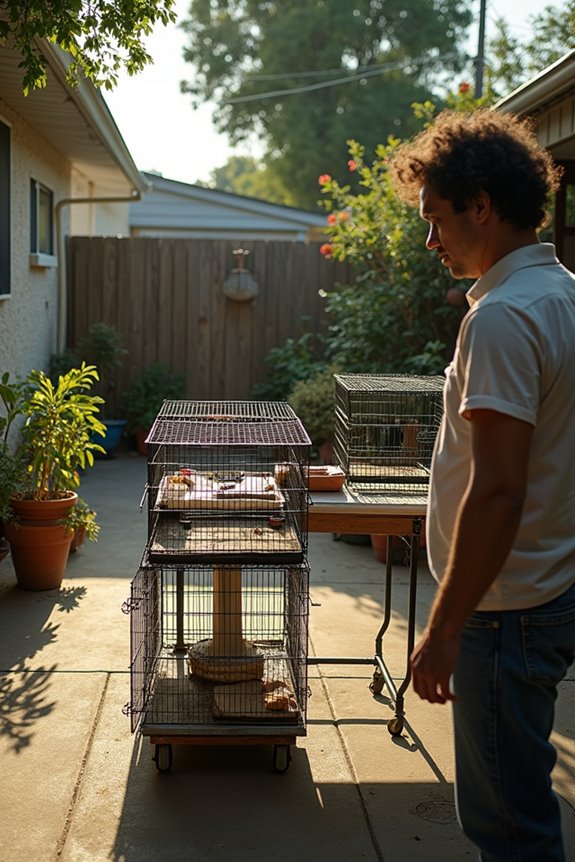
Why would a breeder keep the puppy’s parents hidden from you? Responsible breeders welcome in-person visits because they’ve nothing to hide. When someone refuses this request, they’re typically concealing poor health or temperament issues.
Meeting the parents gives you direct insight into your puppy’s future. You’ll observe breed-specific traits, assess behavioral patterns, and verify genetic health. This direct interaction helps you determine whether you’re buying from a legitimate breeder or a backyard operation.
Consider these warning signs:
- Evasive answers about parental lineage or health history
- Refusal to arrange visits with the parents present
- Inability to provide verified documentation of parental backgrounds
If meeting the parents isn’t possible, you’ve found a strong indicator of a backyard breeder. Legitimate breeders understand this requirement protects both you and the animals.
Breeding Multiple Dog Types for Quick Profit
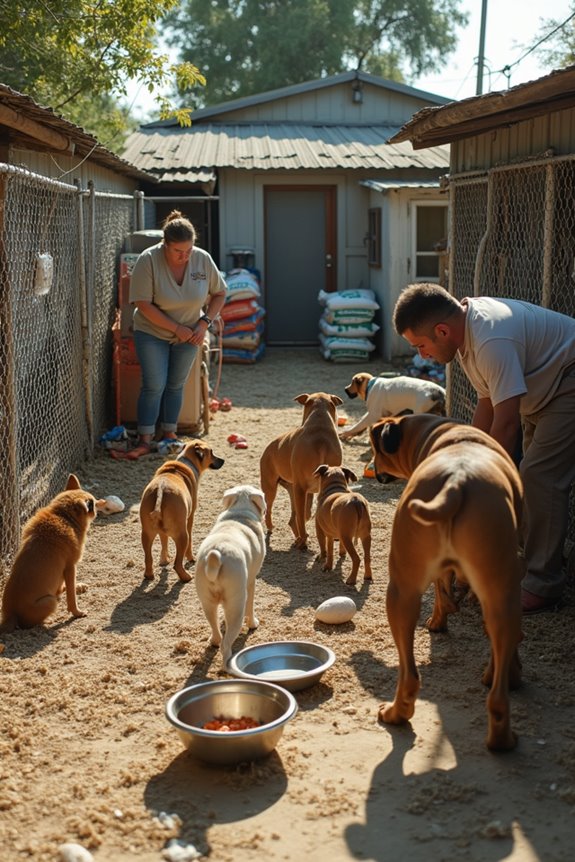
Beyond refusing transparency about parents, backyard breeders reveal themselves through another telling pattern: breeding multiple dog types simultaneously. You’ll notice backyard breeders juggle Labradors, French Bulldogs, and Golden Retrievers in the same operation. This diversification prioritizes sales volume over breed expertise. The approach creates rushed pairings because breeders lack specialized knowledge for each breed’s unique health requirements. You encounter inconsistent information about temperament and traits when one breeder covers numerous types. This variety-focused strategy indicates inadequate oversight. The emphasis on quick profit rather than responsible breeding increases risks of poor living conditions. When breeders spread resources thin across many breeds, individual puppies receive less attention and care. Responsible breeders specialize in one or two breeds, allowing them to maintain consistent health standards and welfare practices.
Puppies Available Year-Round With No Waiting List
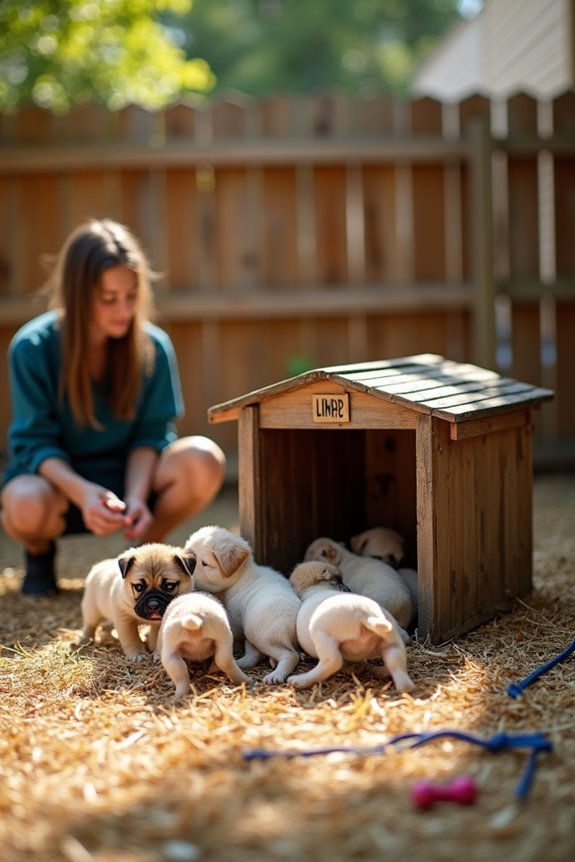
When you encounter a breeder offering puppies constantly without a waiting list, you’re seeing a business model built on continuous production rather than planned breeding. Responsible breeders maintain waiting lists because they time litters strategically, screen potential owners beforehand, and pause breeding to focus on puppy care and development. A breeder with perpetual availability creates pressure to sell quickly, which often means your puppy receives less socialization and the parents undergo fewer health evaluations before reproduction.
Constant Breeding Cycles
A reliable sign of a backyard breeder is the constant availability of puppies with no waiting list. When you encounter this setup, you’re witnessing a breeding operation that prioritizes sales volume over puppy welfare.
Continuous breeding cycles create several problems:
- Inadequate mother recovery: Females breed repeatedly without sufficient rest between litters, depleting their health and energy reserves.
- Minimal health screening: Rushed production means breeders skip thorough veterinary checks on parents before breeding occurs.
- Poor socialization: Puppies move quickly to new homes without proper early development or temperament evaluation.
The absence of waiting lists defines backyard breeding practices because it reveals no selective home-matching process exists. Responsible breeders maintain waiting lists, which allows them to screen families carefully and verify suitable placements. This approach requires time and attention. Backyard breeders skip these steps entirely, focusing instead on rapid turnover and profit margins.
Absence Of Demand Planning
Why do backyard breeders always have puppies available? They don’t plan ahead. Responsible breeders maintain waiting lists because they breed purposefully. Backyard breeders, by contrast, produce litters continuously without screening adopters first. This creates an endless supply of puppies with no homes secured beforehand.
The constant availability reveals their priorities. When you see puppies listed year-round with no wait times, they’re prioritizing quick sales over proper placement. This absence of demand planning defines unethical operations. Responsible breeders match puppies to families before breeding occurs. Backyard breeders breed first, then sell quickly to whoever arrives with cash.
No waiting list means no careful consideration of adopter readiness. You’re witnessing a system designed for speed, not responsibility.
Pressure Tactics and Early-Age Sales
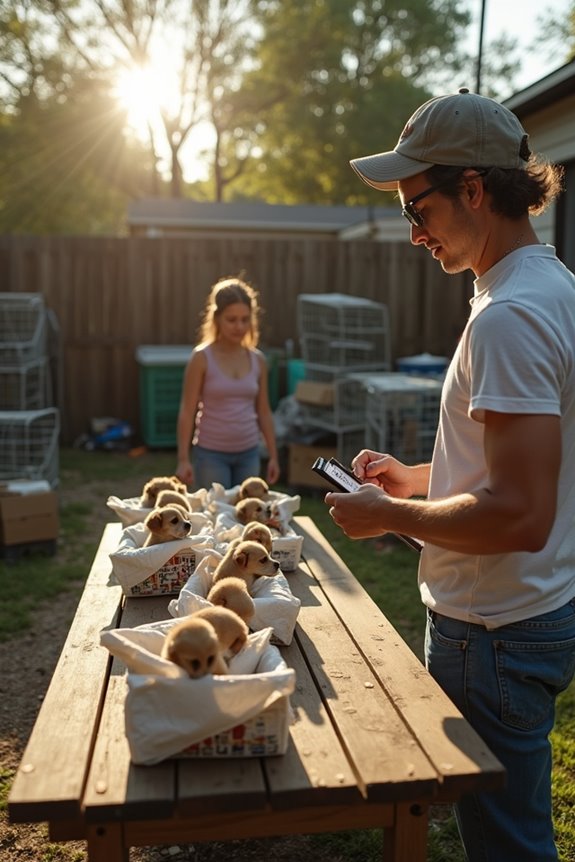
Backyard breeders often rush you into purchasing decisions by creating artificial urgency—claiming limited puppies available or demanding immediate deposits without allowing kennel visits. You’ll encounter puppies separated from mothers before eight weeks old because early sales prioritize profit over the pup’s developmental needs. These pressure tactics work alongside minimal health screening: breeders skip references, avoid documentation, and sidestep honest conversations about parent health to close sales quickly.
Rushing Puppy Purchase Decisions
When a breeder pressures you to decide quickly, they’re often trying to prevent you from asking important questions. Backyard breeders use time constraints to keep you from researching their practices or visiting kennels. They create urgency through vague claims about health and pedigree, pushing you toward immediate purchase decisions.
Red flags defining rushed sales include:
- Limited time to think before completing the sale on your first visit
- Pressure to finalize decisions without meeting the puppy’s parents
- Promises of shipping puppies without in-person kennel viewings
Early-age sales, occurring before eight weeks, prioritize profit over welfare. These quick-purchase tactics avoid thorough adopter screening. The pressure does its job because it prevents you from gathering information that might reveal problematic breeding conditions. Pay attention to these warning signs. Legitimate breeders welcome questions and don’t rush responsible placement decisions.
Sales-Focused Breeding Motives
How do you recognize when profit matters more than puppy welfare?
Backyard breeders prioritize quick sales over the dam’s health and puppy development. They’ll pressure you into immediate purchases, creating urgency that clouds your judgment. These breeders often ship puppies or arrange off-site meetings, which reduces their accountability to you. The willingness to skip pre-purchase screening defines their sales-focused approach.
Early-age sales before eight weeks undermine proper socialization. Puppies miss critical bonding time with their mother and littermates. Online sales and store-based transactions speed up transactions while keeping distance between you and the breeder. This separation limits your ability to observe living conditions.
The pattern is clear: minimal screening, rushed timelines, and distant transactions correlate with higher risks of health and behavioral problems in your new puppy.
Health Risks Of Early Separation
The pressure tactics that speed up sales create real physical dangers for puppies separated too early from their mothers. When breeders rush early-age sales before eight weeks, you’re accepting significant health risks that develop quickly.
Premature separation removes critical protections your puppy needs:
- Inadequate immune transfer: Puppies lose maternal antibodies necessary for disease resistance
- Infectious disease susceptibility: Young dogs lack developed immune systems to fight illnesses
- Slower physical development: Early separation prevents necessary growth milestones
The puppy does struggle with health issues because its body hasn’t fully matured. Without proper weaning time, your new companion faces higher veterinary costs and behavioral challenges ahead. Responsible breeders delay sales until puppies reach appropriate ages, supporting stronger immune systems and better long-term outcomes for your family.
Online and Pet Store Sales Indicate Higher Risk
Why do online and pet store sales present a greater risk when searching for a puppy? You’ll find that these channels enable anonymity and reduce direct oversight of breeders. When you purchase online or through stores, you bypass the in-person meetings that reputable breeders conduct. This lack of interaction creates accountability gaps.
| Risk Factor | Online Sales | Pet Store Sales | In-Person Purchase |
|---|---|---|---|
| Breeder Verification | Limited | Minimal | Comprehensive |
| Parental Health History | Unavailable | Unclear | Documented |
| Living Condition Assessment | Impossible | Restricted | Direct Observation |
| Ethical Operation Confirmation | Difficult | Questionable | Established |
You can’t visit kennels or meet parents through screens. This absence of on-site visits makes evaluating health histories nearly impossible. The distance between you and the breeder defines higher risk for unethical operations.
No Health Records, No References, No Accountability
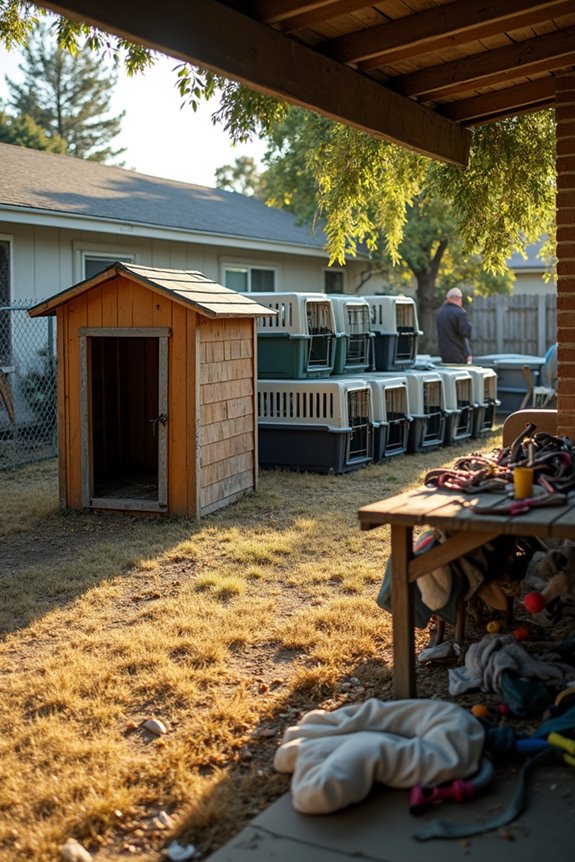
When you can’t access health records or veterinary documentation, you’re missing critical proof that screening happened. Backyard breeders avoid providing references from past buyers because accountability creates exposure to questions about breeding practices. The refusal to disclose lineage, breeding location, or support after purchase defines a breeder prioritizing profit over responsible standards.
Missing Documentation and Proof
How can you verify a breeder’s legitimacy when documentation simply doesn’t exist?
Backyard breeders won’t provide basic paperwork that responsible breeders maintain routinely. They can’t show you parentage records, medical histories, vaccination documentation, or deworming proof. This missing documentation creates immediate red flags about the puppy’s health status and background.
When you request verification, these breeders deflect or disappear entirely. They offer no references from previous buyers you can contact. They won’t supply two-generation health clearances that define ethical breeding standards.
Consider these warning signs:
- No vaccination or deworming records provided before pickup
- Refusal to share parent health test results or certifications
- Inability to name past clients willing to discuss their experience
This absence of accountability defines the backyard breeder model. You’re left vulnerable with no recourse if problems emerge after purchase.
Absent References and Verification
Beyond missing paperwork, backyard breeders won’t connect you with anyone who can confirm their practices. You can’t verify their reliability or their animal welfare standards. This absence of references creates a significant problem—you’re buying without information.
Legitimate breeders maintain detailed records. They provide references from past buyers willing to discuss their experiences. They document health clearances, breeding history, and ongoing support. Backyard breeders avoid this accountability because documentation leaves a trail.
When you request references and receive excuses instead, that’s a red flag. You need contact information from previous customers. Speaking directly with other buyers reveals how the breeder actually operates. The lack of verifiable contacts defines an operation unwilling to stand behind its animals. Without these connections, you cannot confirm ethical practices like proper housing, socialization, or veterinary care before committing to a puppy.
Evasion and Lack of Transparency
Transparency separates responsible breeders from those cutting corners. When you’re considering a breeder, you’ll notice evasive answers about parents, lineage, and health testing. This evasion creates uncertainty about your puppy’s background and potential health issues.
Backyard breeders typically avoid accountability through:
- Refusing to share health records or breed-specific clearances beyond vague assurances
- Declining to provide references or past client contact information
- Offering no contract terms like spay/neuter agreements or health guarantees
The absence of transparent records directly correlates with higher risks of undisclosed health problems and poor living conditions. Verifiable documentation matters more than empty promises. When breeders withhold information, they’re signaling minimal post-sale responsibility. Responsible breeders welcome your questions and willingly provide proof of their standards.
Absent After-Sale Support and Guidance
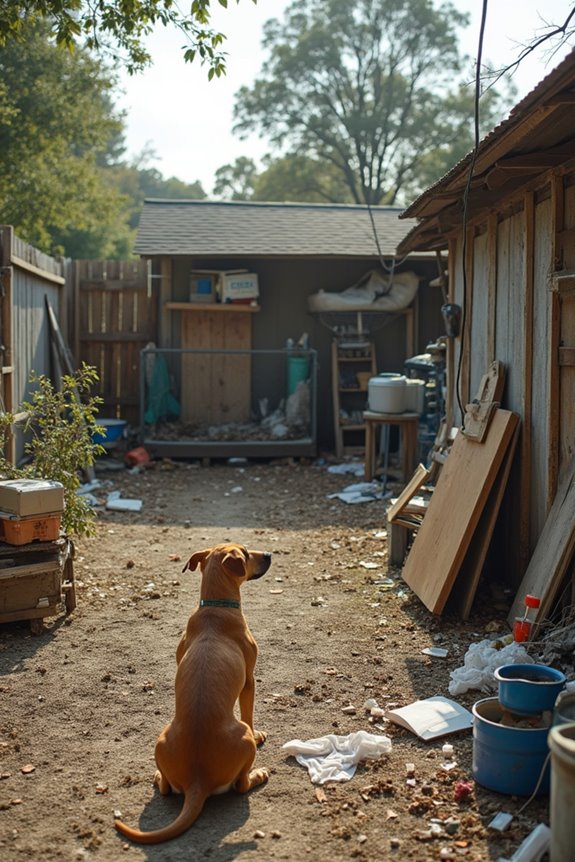
What happens after you bring your puppy home? Responsible breeders stay available. They answer questions about vaccinations, health concerns, and behavior. Backyard breeders often disappear after the sale completes.
When you contact them about your puppy’s medical needs or temperament issues, they’re unavailable or unresponsive. This absence creates serious problems. You’re left without guidance on hereditary health conditions that may emerge. The breeder’s silence demonstrates a lack of accountability.
Reputable breeders offer post-purchase support because they care about their dogs’ long-term welfare. They provide veterinary referrals and training advice. Backyard breeders skip this responsibility entirely.
Red flags appear when the breeder ignores multiple follow-up attempts. You can’t reach them for clarification. This unavailability prevents you from addressing problems early, leaving your puppy—and your family—at risk.
Inhumane Housing and Living Conditions

How do you spot a breeder’s true priorities? Visit their facility and observe the physical space where dogs live.
Backyard breeders often confine mothers and puppies in inadequate quarters that create serious health problems. Small cages or cramped enclosures restrict movement and prevent proper exercise. Poor ventilation and dirty conditions spread disease rapidly among animals living closely together.
Inadequate quarters, poor ventilation, and dirty conditions in backyard breeding operations spread disease and create serious health problems for mothers and puppies.
Red flags you should recognize:
- Wire cages with minimal bedding or outdoor shelter
- Overcrowded spaces where multiple dogs share confined areas
- Visible waste accumulation and lack of cleaning routines
The cramped environment harms animals because constant stress weakens their immune systems. Limited veterinary care compounds these problems further. When you witness poor living conditions during a visit, you’ve identified unethical practices. Responsible breeders maintain clean, spacious facilities that support animal welfare.