
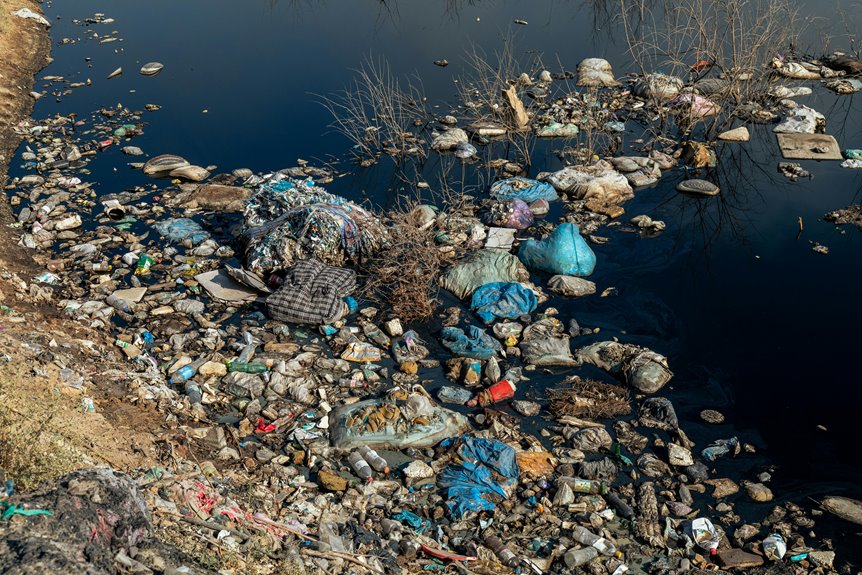
Your bathroom tap water carries more risks than kitchen water because storage tanks allow stagnation and debris buildup. Old pipes leach lead, while standing water promotes bacterial growth and mineral accumulation. You shouldn’t drink from your bathroom tap without precautions—flush cold water for thirty seconds first, avoid hot water entirely, and consider testing if your plumbing is older. Filtration systems targeting lead and metals provide additional protection. Understanding these contamination pathways helps you make informed decisions about your household water safety.
Should You Drink Bathroom Tap Water?
Why should you think twice before drinking from your bathroom tap? Your bathroom tap water contamination risks differ significantly from your kitchen taps. The bathroom plumbing often connects to storage tank water rather than mains supply, which creates conditions for stagnant water to accumulate. This design choice defines how dust and debris settle in older tanks.
Lead pipes in aging plumbing pose serious health concerns. The orthophosphate corrosion control treatment doesn’t always prevent lead from leaching into your water. Kitchen taps connected directly to mains supply offer fresher water with fewer contaminants than bathroom sources.
You can improve your water quality through water filtration systems targeting lead removal. Testing your water identifies specific contamination issues in your home. These practical steps help you understand your plumbing’s actual safety level.
What Makes Bathroom Water Different From Kitchen Water
Your kitchen tap draws water directly from the mains supply, delivering fresher water with minimal delay. Your bathroom setup differs significantly, creating distinct water quality concerns you should understand.
Several factors separate bathroom water from kitchen water:
Several key differences separate bathroom water from kitchen water, including stagnation risks, storage tank issues, lead exposure, fixture buildup, and contamination pathways.
- Stagnation risks: Bathroom taps experience less frequent use, allowing water to sit longer in plumbing lines
- Storage tank issues: Many bathrooms rely on loft tanks rather than direct mains supply, permitting dust and debris infiltration
- Lead exposure: Old pipes in aging homes leach lead into bathroom water at higher concentrations
- Fixture buildup: Bathroom fixtures harbor residues affecting taste and safety over time
- Contamination pathways: Extended water retention in pipes increases microbial growth potential
The bathroom’s design creates these challenges because water travels through older plumbing materials and storage systems. Understanding these differences helps you make informed decisions about your household’s water safety and consumption habits.
Contaminants in Bathroom Tap Water: The Main Risks
Several harmful substances can accumulate in your bathroom tap water, creating genuine health concerns you’ll want to address. Lead from older pipes leaches into water stored in your loft tank, where stagnation promotes bacterial growth and dust collection. Your storage tank does this because standing water lacks the circulation that keeps it fresh.
Chlorine and chloramines disinfect water but leave chemical residues. Heavy metals beyond lead, including those from corroded plastics and fixtures, concentrate over time. Bacteria thrive in stagnant conditions, while contaminants like pharmaceuticals and pesticides persist through standard plumbing.
Filtration becomes necessary here. Basic filters don’t remove lead effectively. Your bathroom tap water requires specialized heavy metal filtration to match kitchen water safety standards and protect your health from these accumulated risks.
How Stagnation and Heat Increase Safety Risks?
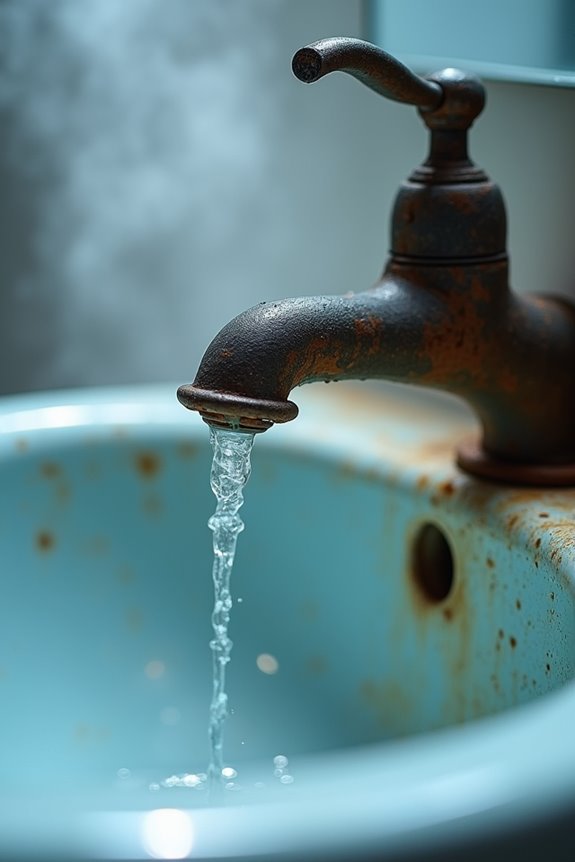
How does water sitting unused in your bathroom pipes become unsafe?
Water that sits in your bathroom tap water creates ideal conditions for contamination. Stagnation allows dangerous substances to accumulate, threatening your drinking safety. You’ll find several risks when water lingers:
- Lead piping and aging plumbing corrode, releasing metals into standing water
- Bacteria multiply rapidly in stagnant conditions without fresh circulation
- Hot water risks intensify because heat concentration accelerates mineral buildup
- Chlorine byproducts volatilize as steam, reducing water quality
- Mineral deposits settle and accumulate inside pipes and fixtures
Flushing for safety matters markedly here. When you flush your bathroom tap for several seconds, you replace contaminated water with fresh supply. The moving water does this because flowing liquid prevents bacterial growth and removes accumulated metals.
Hot water amplifies these dangers because elevated temperatures speed up chemical reactions and corrosion processes. Your aging plumbing systems define these risks most clearly during extended periods of non-use.
Testing Your Bathroom Water for Contaminants
You can test your bathroom water using two main approaches: home testing kits that you run yourself, or professional laboratory analysis performed by certified experts. Home kits let you check for common contaminants quickly and at lower cost, though they’re less detailed than lab results. Professional testing creates official documentation of contaminant levels and determines whether your water meets health standards, making it especially valuable if you have older pipes or suspect problems.
Home Testing Kit Methods
When you’re concerned about your tap water’s safety, home testing kits offer a practical first step to identify common contaminants like bacteria, lead, chlorine, and hardness. You’ll find these kits create quick visual results that help define your water quality baseline. Follow these steps:
- Collect samples from cold taps only
- Document sampling times and tap temperatures
- Follow kit instructions precisely for accuracy
- Use colorimetric or digital readouts for results
- Compare findings against baseline values over time
The testing process requires careful attention because accuracy depends on proper technique. If your kit indicates contamination or if taste, odor, or appearance changes, send samples to a certified laboratory. This verification matters especially with older plumbing, where sediment and lead accumulate. Regular testing protects your drinking water safety.
Professional Laboratory Analysis
While home testing kits provide useful initial insights, certified laboratories offer more detailed and reliable results. You’ll send your bathroom water sample to professionals who measure specific contaminants like lead and metals against established standards. Laboratory analysis creates comprehensive reports that define your water quality with precision.
Certification verifies the testing method adheres to recognized protocols. The laboratory conducts detailed examination because complex contaminants require sophisticated equipment. Results show exact contamination concentrations and compliance status, guiding your safety assessment decisions.
You should consider professional testing if you have older plumbing or shared water systems. Local health authorities can recommend certified labs in your area. This approach provides the thorough documentation you need for confident decisions about your bathroom water safety and potential filtration requirements.
How to Safely Flush and Use Your Bathroom Taps
Proper flushing and tap usage creates a foundation for safer bathroom water. You’ll want to establish routines that reduce stagnation and contaminant exposure in your home’s plumbing system.
- Run cold water for 30 seconds before drinking or brushing teeth
- Avoid hot water from bathroom taps entirely for consumption purposes
- Clean faucet aerators monthly to prevent sediment buildup
- Test for lead if your home has older plumbing
- Install a filtration system targeting chlorine, metals, and sediments
The cold water does flush stagnant liquid because it’s fresher from the main line. Hot water leaches metals from pipes, making it unsuitable for drinking. Regular aerator cleaning defines water quality by eliminating debris accumulation. These practices work together, establishing safer drinking water safety habits in your bathroom routine.
Filtration Options for Safer Bathroom Water
You’ve already established safer habits at your bathroom tap, but routine maintenance alone won’t remove all contaminants. You’ll need filtration systems that target specific threats in your water supply.
| Filtration Type | Primary Function | Best For |
|---|---|---|
| Whole-house with softening | Removes chlorine, sediments, metals, hardness | Complete home protection |
| Under-sink point-of-use | Targets chlorine, metals, odors, scale | Drinking water quality |
| Shower filters | Reduces chlorine and metals | Bathing exposure reduction |
| Heavy metals filters | Specializes in lead reduction | Lead-contaminated water |
You’ll want filters specifically labeled for lead reduction, since standard filters won’t reliably remove lead from your bathroom tap water. The filtration maintenance you perform—regular cartridge replacement and occasional water testing—directly determines whether your system continues protecting your family’s health effectively.